What is Class A and B Foam?
Firefighting is a key emergency service. It needs special methods and materials to put out different kinds of fires well. Fire-fighting foams are one of these important materials. They play a big role in putting out flames and stopping fires from starting again. This article will look closely at Class A and Class B foams. It will show their features, uses and the fire types they are made for. By the end, you will understand how to use Class A Foam Concentrate and Class B Foam Concentrate for good fire suppression.
Understanding Fire Classes: A and B
We need to know what Class A and Class B fires are first. Then we can learn about foam concentrates in detail.
Class A Fires
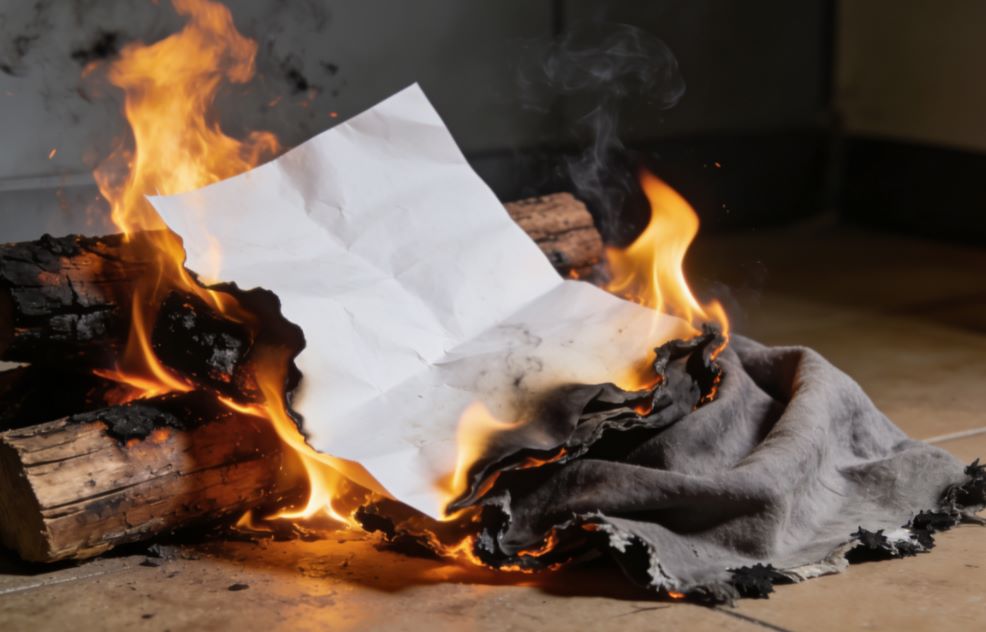
Class A fires use common flammable materials. These include wood, paper, cloth and some plastics. These fires have a clear feature. The burning materials can produce embers and ash after they catch fire. For example, a house fire from a burning couch or paper is a typical Class A fire.
Class B Fires
Class B fires use flammable liquids and gases. These include gasoline, oil and grease. These fires are very dangerous. The reason is that the materials are easy to ignite and the fire can spread fast. For example, a fire from spilled gasoline or a kitchen fire from hot oil is a Class B fire.
Knowing these fire classes helps people pick the right fire-fighting foams. This way, they can put out fires effectively.
1. What is Class A Foam Concentrate?
Class A Foam Concentrate is a type of fire-fighting foam. It is made specially to fight Class A fires. This foam can make water work better. It is used when dealing with common flammable materials.
Advantages of Class A Foam Concentrate
Increased Water Efficiency: Class A foam helps lower water’s surface tension. This lets water get into solid materials more easily. The fire is put out faster. It also reduces water damage.
Improved Heat Absorption: The foam covers burning materials. It forms a thermal barrier. This barrier absorbs heat and stops the fire from spreading.
Environmental Benefits: Many Class A foam concentrates use biodegradable parts. They are safer for the environment when used correctly.
Versatility: Class A foam can be used in many situations. These include structural firefighting, wildland firefighting and residential use. It is a useful tool for emergency responders.
Applications of Class A Foam
Class A Foam Concentrate is widely used in two main areas:
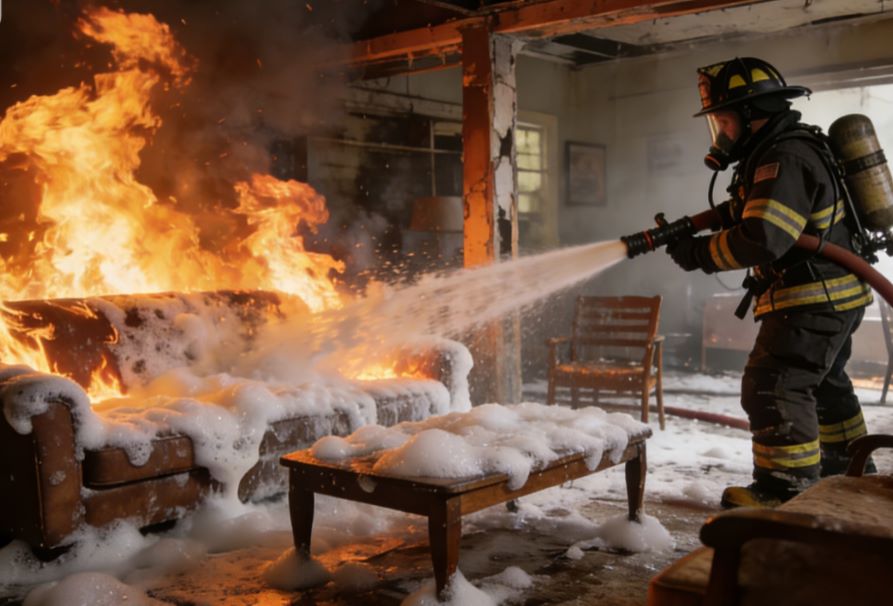
Structural Fires: It puts out flames well and causes less damage.
Wildland Fire Suppression: It helps control fires in vegetation. These fires involve common flammable materials.
Knowing these applications helps fire responders. They can choose the best foam concentrate for different fire situations.
2. What is Class B Foam Concentrate?
Class B Foam Concentrate is made specially to fight flammable liquid fires (Class B fires). These foams are designed to form a film on burning liquid surfaces. The film smothers the fire well. It also stops the fire from burning again.
Advantages of Class B Foam Concentrate
Vapor Suppression: Class B foam forms a barrier over flammable liquids. This barrier stops vapors from escaping. It greatly lowers the risk of the fire starting again.
Fast Deployment: Using Class B foams lets firefighters act quickly. Liquid fires can spread fast if no one controls them. These foams help stop the spread.
Compatibility with Various Fuels: Many Class B foams work on many flammable liquids. These include hydrocarbons and polar solvents. They are useful in many different environments.
Ease of Use: Special nozzles and equipment are made for Class B foams. They make the foams easier to use. Firefighters can use effective strategies with them.
Applications of Class B Foam
Class B Foam Concentrate is widely used in three main areas:
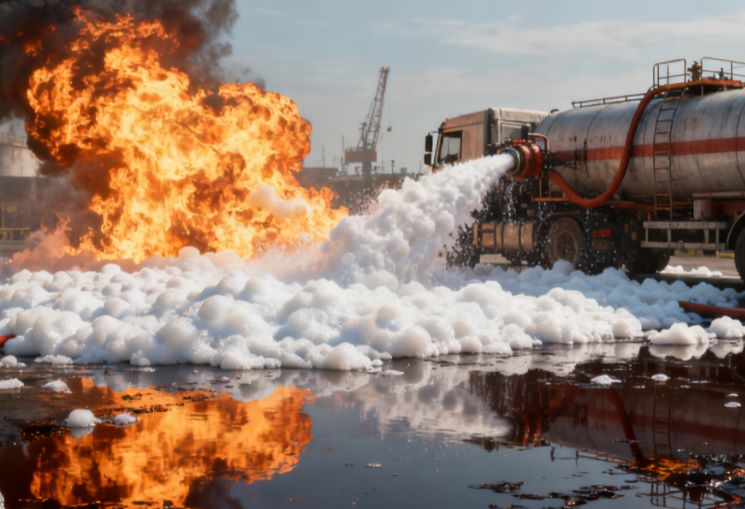
Aviation Firefighting: It works well for fuel fires at airports.
Marine Firefighting: It is necessary for fires on ships or in marine areas. Oil spills are a big concern in these places.
Industrial Settings: It is good for facilities that store or use flammable liquids.
Knowing where and how to use Class B foam is key. It helps with effective emergency response.
3. The Science Behind Fire Fighting Foams
Fire-fighting foams (both Class A and Class B) work based on chemistry and physics. These principles make them more effective.
The Mechanism of Action
Foam Generation: Foam concentrates mix with air and water. They create a layer of bubbles. The bubbles separate the fuel from the air’s oxygen.
Cooling Effect: Foam contains water. The water cools hot materials and the surrounding area. This is very important for putting out flames.
Barrier Formation: Both Class A and Class B foams form a physical barrier. The barrier stops vapors from catching fire. It suppresses flammable vapors effectively.
Knowing this science shows how important it is. We must use the right foam type based on the fire’s nature.
4. Choosing the Right Foam Concentrate for Fire Types
Picking Class A or Class B foam concentrate depends on the fire situation.
Assessment Criteria
Type of Fuel: We need to know if the fire uses solids (Class A) or flammable liquids (Class B). This has a big impact on the foam choice.
Environmental Considerations: We need to think about the foam’s environmental impact. Many Class A and B foams now come in biodegradable forms. They are safer for ecosystems.
Regulatory Compliance: We must make sure the foam meets local and national rules. These rules apply to firefighting foams.
Making the Decision
Firefighters need good training. They need to learn how to check fire types. They also need to learn how to use the right foam concentrate. Knowing the specific benefits and uses of Class A Foam Concentrate and Class B Foam Concentrate helps. It leads to better fire management strategies.
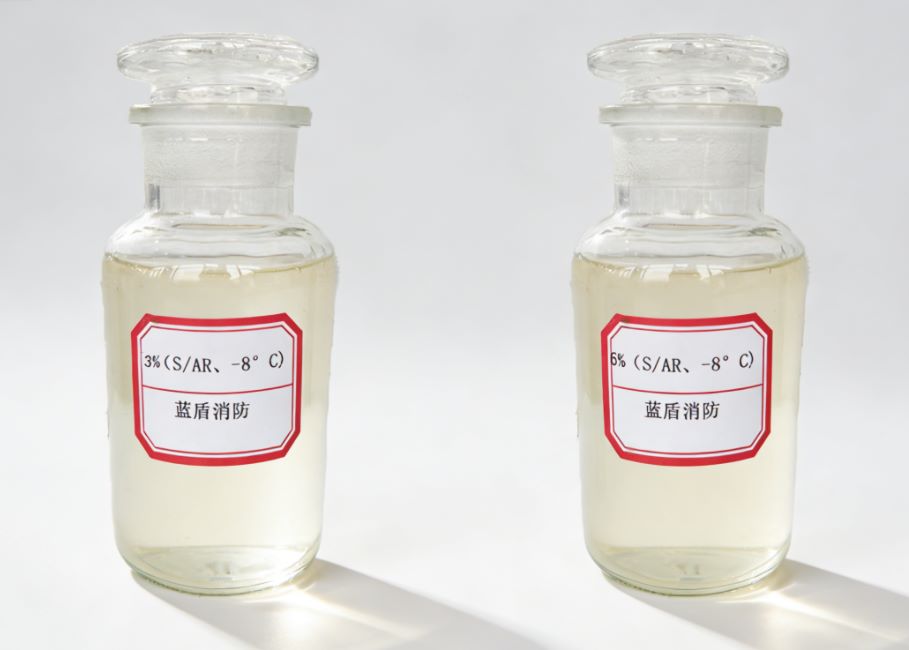
5. Training and Implementation of Fire Fighting Foams
Training is very important. It makes sure firefighting teams can use Class A and B foam concentrates well in the field.
Essential Training Components
Technical Knowledge: Knowing the special properties and uses of different foams helps. It gives firefighters the ability to act during emergencies.
Practical Skills: Hands-on training with foam equipment is basic. This includes training on nozzles and mixing ratios. It is key for successful use.
Safety Protocols: Firefighters must learn safety rules for using foam. These include risks from inhaling foam and environmental rules.
Implementation in Emergency Situations
Using Class A and Class B foams correctly needs two things. First, we need to pick the right foam. Second, responders need to communicate well and work as a team during fires.
6. Environmental Impact and Future of Fire Fighting Foams
Sustainability is getting more important. So we must pay close attention to the environmental impact of fire-fighting foams.
Environmental Considerations
Biodegradable Options: Eco-friendly Class A and Class B foam concentrates will become more common. They reduce long-term environmental harm after firefighting.
Regulatory Changes: Governments and environmental groups are changing rules. These rules are about using certain foam types. They affect which foams are available for firefighting.
Innovations in Foam Technology: Scientists are always researching new foam formulas. They want to make foams that work better and are more eco-friendly. These foams must meet modern firefighting needs.
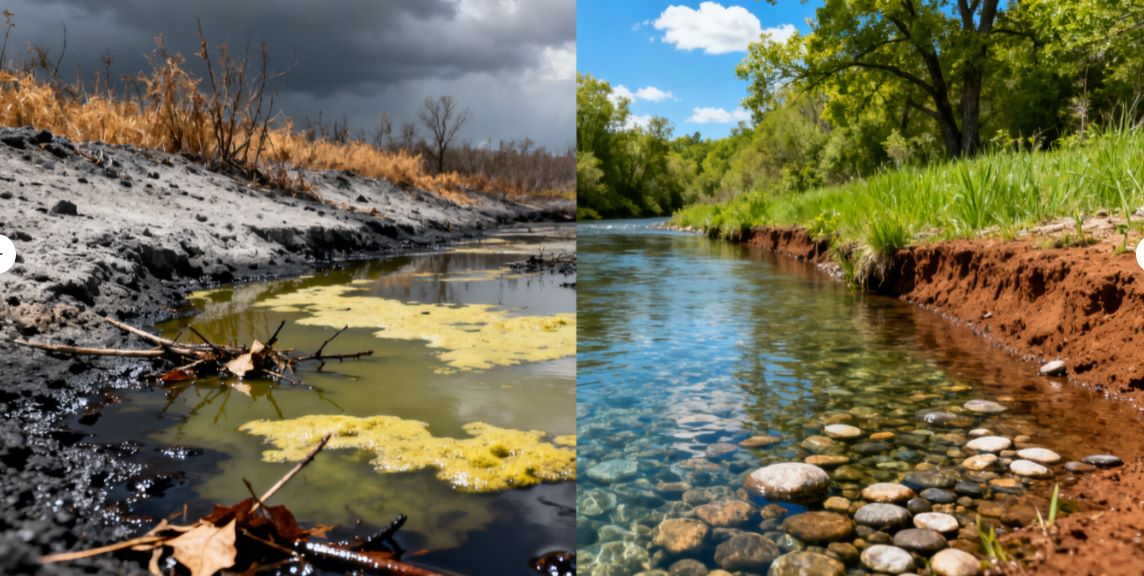
Moving Towards Sustainable Practices
The future of fire-fighting foams has a balance. We need foams that work well for fire suppression. We also need foams that cause little environmental harm. Picking the right Class A Foam Concentrate or Class B Foam Concentrate helps. Firefighters can act quickly and responsibly during emergencies.
Conclusion
In short, knowing the differences between Class A and B foam concentrates is vital. It helps with effective firefighting. Knowing which foam to use based on the fire’s nature helps. It leads to better fire suppression and less property damage. Fire response methods are always changing. So the formulas of Class A Foam Concentrate and Class B Foam Concentrate will also change. This change will make sure we have a balance. We need balance between efficiency, safety and environmental protection. Fire-fighting foams are an important part of firefighting tools. They are very valuable for protecting lives and property in many situations.