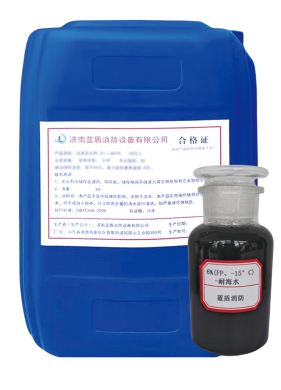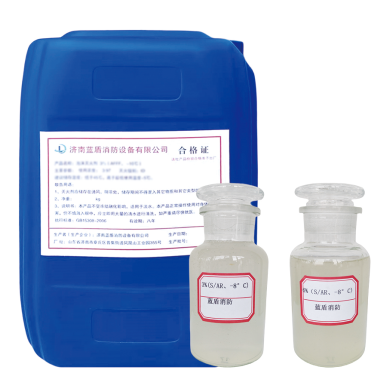
Fast Foaming Foam Concentrate
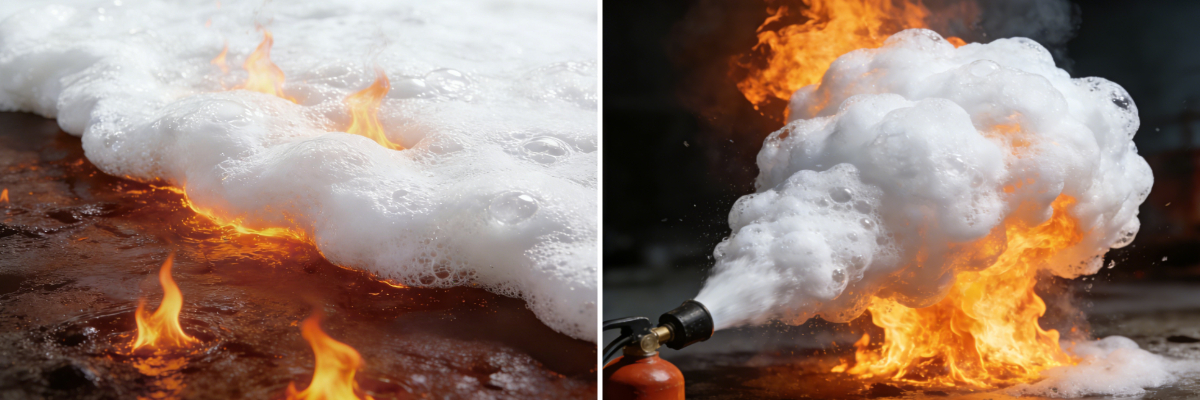
High Fire Suppression Efficiency: Generates fine foam with low surface tension and strong oil repellency, quickly isolating air and diluting combustibles, ensuring stable fire control and low re-ignition rate.
Wide Applicability: Suitable for oil fires and general solid material fires, compatible with fixed/mobile fire extinguishing devices, and can be used in conjunction with dry powder.
Safety & Environmental Friendliness: Non-toxic, non-irritating, low-corrosive, free of harmful residues, and has a long storage life.
Easy Operation: Ready for use after conventional proportional mixing; the foam has good fluidity and is adaptable to complex working conditions.
I. Basic Definition & Core Components
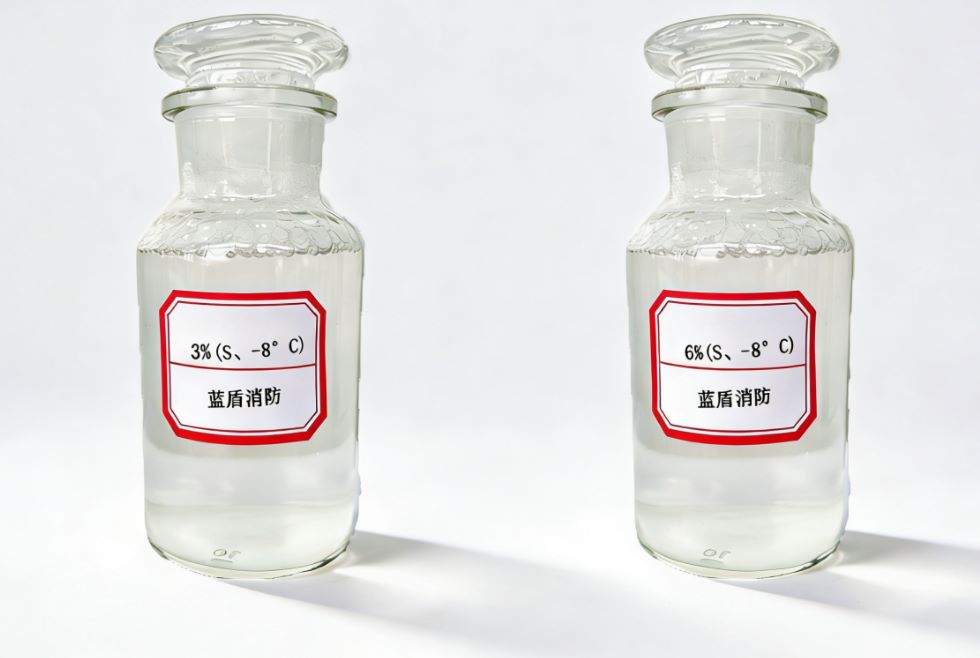
Synthetic foam fire extinguishing agent is a multi-functional fire protection product scientifically formulated with hydrocarbon surfactants as the core, combined with foaming agents, stabilizers, preservatives and other additives. As a high-performance Fast Foaming Foam Concentrate, its core components perform distinct roles: hydrocarbon surfactants reduce foam surface tension and enhance oil repellency, ensuring rapid coverage of Class B fire surfaces; foaming agents promote the quick generation of fine, uniform foam to improve coverage efficiency; stabilizers extend foam durability and prevent premature breakdown; preservatives maintain product performance stability during long-term storage without deterioration. Primarily designed as a Class B Foam Concentrate for non-water-soluble flammable liquid fires, it also functions as a Class A Foam Concentrate for certain solid material fires, making it a widely used high-efficiency extinguishing agent in industrial and civil fire protection.
II. Fire Extinguishing Mechanism
The effectiveness of synthetic foam fire extinguishing agent in suppressing oil fires lies in its synergistic "physical isolation + environment inhibition" to interrupt the combustion chain, consisting of four key steps:
Foam Coverage to Isolate Oxygen: When mixed with water in the specified ratio, the agent generates a large volume of low-density, high-elasticity fine foam through foam-generating devices. This foam quickly covers the burning surface, forming an airtight layer that completely cuts off the oxygen supply required for combustion, fundamentally inhibiting the combustion reaction.
Oil Repellency to Prevent Spread: Hydrocarbon surfactants endow the foam with strong oil repellency, ensuring the foam layer is not penetrated or dissolved by oil. It firmly "locks" the burning oil surface, preventing fire spread caused by oil flow.
Heat Absorption for Temperature Reduction: During coverage, the foam absorbs substantial heat from the fire area, rapidly lowering the temperature of the combustible material below its ignition point to further suppress fire expansion.
Dilution of Combustible Concentration: Moisture released when the foam layer breaks down dilutes the vapor concentration of flammable liquids in the fire area, reducing the risk of re-ignition and achieving the dual effect of "fire extinguishment + re-ignition prevention."
Compared with traditional water-based extinguishing agents, its core advantage solves the pain point of "oil being lighter than water, making water application counterproductive." Through the physical isolation property of oil-repellent foam, it achieves precise suppression of Class B fires.
III.Product Models & Technical Parameters
Parameter | Specification |
Freezing Point (℃) | -8±4℃ |
25% Drainage Time (min) | 3.3±20% |
Freeze-Thaw Resistance | No visible stratification or heterogeneity |
Extinguishing Time (min) | ≤3.0 |
Foam Expansion Ratio | 6.7±20% |
Burnback Resistance Time (min) | ≥6.0 |
pH Value | 6.0~9.5 |
Shelf Life (Years) | 3 |
IV. Application Scenarios & Industry Cases
Core Application Scenarios
Industry Sectors: Oil fields, oil depots, petrochemical enterprises, chemical parks, gas stations, ships, airports, automobile manufacturing plants, etc.
Fire Types: Non-water-soluble flammable liquid fires (e.g., gasoline, diesel, lubricating oil, chemical solvents) as a Class B Foam Concentrate, and general solid material fires (e.g., wood, paper, fabrics) as a Class A Foam Concentrate.
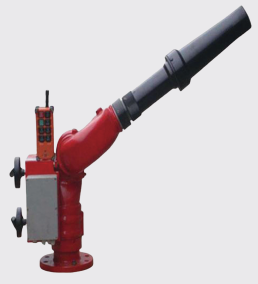
Compatible Equipment: Fixed foam fire extinguishing systems (e.g., tank farm sprinkler systems), mobile foam fire extinguishing devices (e.g., vehicle-mounted foam fire extinguishers, portable foam generators), foam fire trucks, etc. Some models can be used in conjunction with dry powder extinguishing agents to enhance fire suppression efficiency in complex scenarios.
Typical Industry Cases
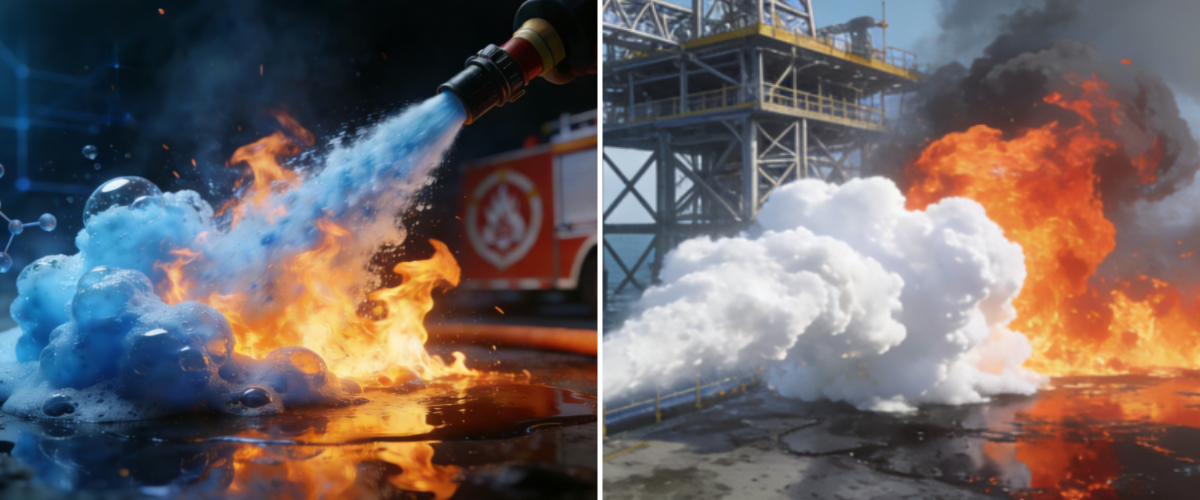
A petrochemical enterprise experienced a diesel leakage fire in its tank farm. The fixed foam fire extinguishing system was activated, and the Fast Foaming Foam Concentrate quickly generated a foam layer to cover the tank area. The fire was controlled within 3 minutes without oil spread, successfully protecting surrounding tanks and equipment with no casualties.
During navigation, a ship's engine room suffered a lubricating oil fire. Crew members used portable foam generators to mix the synthetic foam agent with water before spraying. As a high-performance Class B Foam Concentrate, the foam quickly covered the ignition point, extinguishing the fire in 1.5 minutes with no re-ignition, avoiding fire spread to other parts of the ship.
A gas station encountered a gasoline fire caused by static electricity during refueling. Staff used mobile foam fire extinguishers to spray foam directly at the root of the fire. The Class B Foam Concentrate rapidly covered the burning oil surface, safely extinguishing the fire in just 2 minutes without equipment damage.
V.Usage Methods & Precautions
1. Usage Methods
(1) For Fixed Fire Extinguishing Systems
Confirm the fire type is non-water-soluble oil fire or solid fire, and activate the fixed foam fire extinguishing system.
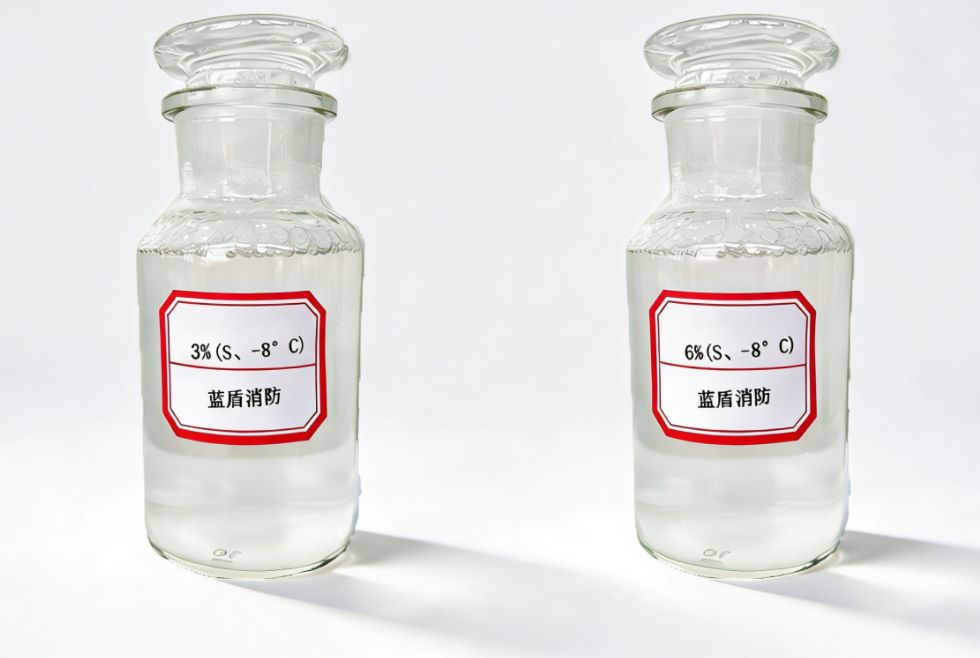
Mix the agent with water automatically according to the ratio specified in the product manual (usually 3% or 6%).
The foam is sprayed to the fire area through pipelines and nozzles, ensuring full coverage of the burning surface with focus on the root of the fire.
Continue spraying for 1-2 minutes after fire extinguishment to enhance re-ignition prevention.
(2) For Mobile/Portable Devices
Inspect the extinguisher/generator: Ensure normal pressure, the agent is within its shelf life, and the nozzle is not clogged.
Mix the agent with water in the specified ratio (for manual mixing types) or directly activate pre-mixed devices.
Hold the nozzle and spray foam in a fan shape at the root of the fire from a distance of 5-8 meters.
For oil fires, advance from the edge of the fire to the center to avoid splashing oil caused by direct impact on the oil surface.
2. Precautions
It is strictly prohibited to use on live equipment fires (e.g., unpowered electrical appliances, transformers). Cut off the power supply before use.
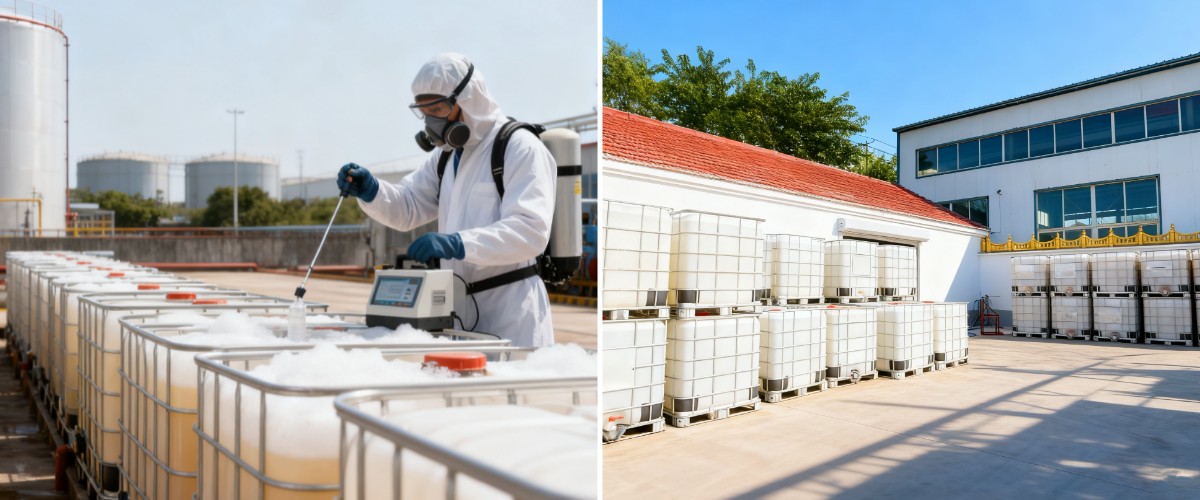
Storage conditions: Maintain a temperature between -8℃ and 40℃, avoid high-temperature exposure and severe freezing, and keep away from strong oxidants and corrosive substances.
Strictly follow the specified mixing ratio during preparation. Improper mixing will reduce foam performance and affect fire extinguishing efficiency.
Regularly inspect product status: Conduct annual sampling tests on foam expansion ratio, drainage time and other indicators within the shelf life . Replace expired or underperforming products promptly.
Wear protective gloves and goggles during operation to avoid direct contact of foam with skin and eyes. In case of contact, rinse immediately with clean water.
Do not mix with strong acids or alkalis to prevent chemical reactions that damage agent performance.