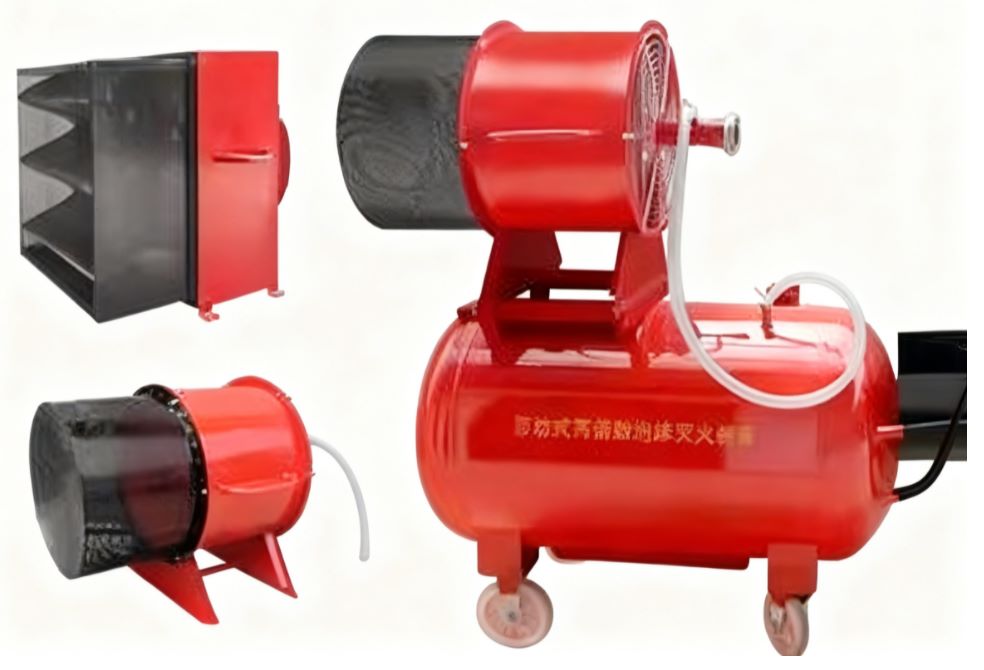
Fire Fighting Foam Generator
1.Efficient Spraying: Produces a large amount of high-expansion foam to quickly cover the fire source and effectively reduce fire intensity.
2.High Safety: Isolates oxygen and adopts safety measures to reduce risks to personnel; suitable for various types of fires with flexible adjustment functions.
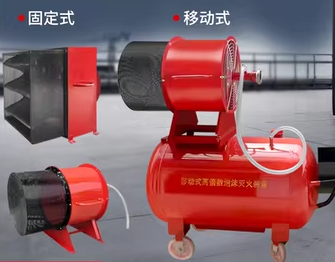
3.Easy Operation: Compatible with both fixed and mobile equipment, requiring no complex operating procedures.
Product Overview
The PF (PFS) High-Expansion Fire Fighting Foam Generator is one of the core equipment in high-expansion foam fire extinguishing systems, widely used in both fixed and mobile fire-fighting equipment. Designed to effectively extinguish various types of fires, it features high foam output and wide coverage, making it suitable for multiple application scenarios.
Product Specifications
Model | Mixture flow rate | Working pressure range | foaming amount | Bid multiplier |
PCG-4 | 4L/S | 0.3-0.6Mpa | 50-200m³/min | 201-1000 |
PCG-4Y | 4L/S | 0.3-1.0Mpa | 50-200m³/min | 201-1000 |
Working Principle
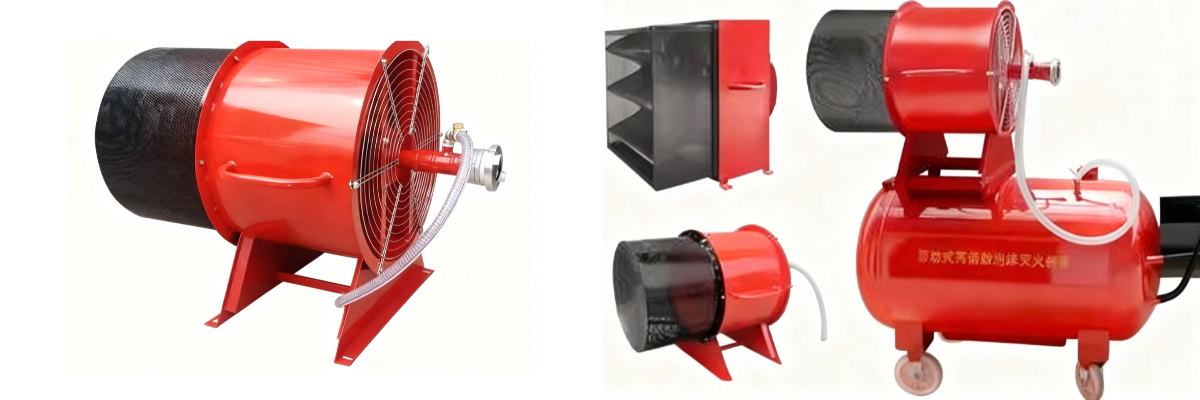
1.Pressure Supply: A water pump delivers high-pressure foam mixture to the foam generator pipeline.
2.Rotating Nozzle: The mixture passes through a specially designed water spray wheel, driving the rotation of the fan blades via the rotating skirt shaft.
3.Air Intake: The fan blades rotate at high speed to generate strong air flow, drawing in air to mix fully with the foam mixture.
4.Foam Generation: A large amount of high-expansion foam is produced to cover the fire area, achieving fire extinguishing effects while isolating oxygen from the combustion process.
Main Components
1.Foam Generator Body: Constructed with corrosion-resistant materials to ensure equipment durability.
2.Water Spray Wheel: A key component that drives foam generation through liquid flow.
3.Fan Blades: Generate strong air flow to promote mixing and foam formation.
4.Control Valves and Fittings: Regulate the equipment's operating status and flow rate.
Application Scope
Warehouses: Locations with dense cargo stacking to prevent fire spread.
Tunnels: Ensure traffic safety and protect tunnel facilities.
Libraries and Archives: Safeguard valuable books and documents.
Liquefied Gas Stations: Eliminate fire risks from flammable and explosive substances.
Chemical Stores: Facilities storing a wide range of chemical substances and related equipment.
Public Places: Shopping malls, hotels, equipment rooms and other environments requiring crowd safety protection.