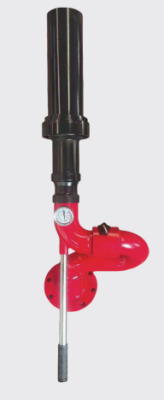
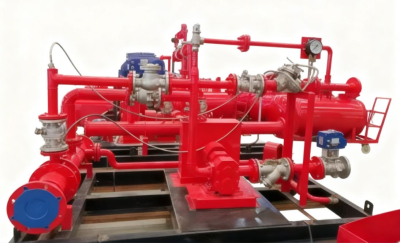
Why AFFF Fire Fighting Foam Is Widely Used
In high-risk industrial environments where flammable liquids are present, choosing the right fire suppression agent is not just a regulatory requirement. It is a matter of operational survival. Among the many firefighting solutions available today, AFFF Fire Fighting Foam continues to stand out. It is one of the most widely used and trusted options worldwide.
From petrochemical plants and aviation facilities to marine operations and fuel storage depots, this powerful Class B Foam Concentrate has earned its reputation. It is known for speed, reliability, and efficiency. But why is it so widely adopted? What makes it different from other foam agents? How does it meet the evolving needs of modern fire protection systems?
1. Superior Performance in Flammable Liquid Fire Suppression
1.1 Designed Specifically for Class B Fire Risks
At its core, Class B Foam Concentrate is made to fight fires. These fires use flammable and combustible liquids. Examples are gasoline, diesel, jet fuel, solvents, crude oil, and alcohol-based chemicals. These fires spread fast. They can start burning again if they are not put out well.
AFFF Fire Fighting Foam is short for Aqueous Film Forming Foam. It is made for these high-risk situations. Water alone can spread fuel fires. This advanced foam is different. It makes a thin aqueous film. The film spreads over the surface of hydrocarbon fuels. This film does two important things:
It stops flammable vapors.
It keeps oxygen away from the fuel surface.
Fires are put out faster. The risk of burning again is much lower.
For industries that work with dangerous liquids, using a reliable Class B Foam Concentrate is not optional. It is very important.
1.2 Rapid Knockdown and Vapor Sealing Capabilities
AFFF Fire Fighting Foam is still widely used. One main reason is its fast knockdown ability. Speed is important in fire emergencies. Flames are put out faster. Structural damage is less. Operational downtime is less. Safety risk is lower.
Aqueous Film Forming Foam has low surface tension. It spreads fast over fuel surfaces. This can happen even before a full foam blanket is formed. This fast film action does these things:
It cools the fuel.
It seals vapors.
It stops flames from spreading.
It lowers the risk of flashback.
Many other kinds of Class B Foam Concentrate are not the same. AFFF usually needs less application rates. It controls fires faster. It is very efficient in emergency situations.
1.3 Compatibility with Multiple Discharge Systems
AFFF Fire Fighting Foam has another strength. It is very versatile. It can work well with these systems:
Foam chambers
Bladder tanks
Balanced pressure proportioning systems
Foam monitors
Portable foam nozzles
Fixed sprinkler systems
One Class B Foam Concentrate can be used in many protection zones in one facility. This makes buying, training, and maintenance easier.
2. Operational Efficiency and Cost-Effectiveness
AFFF Fire Fighting Foam works well. It also has operational and financial benefits. These are why many people use it.
2.1 Lower Concentration, Higher Efficiency
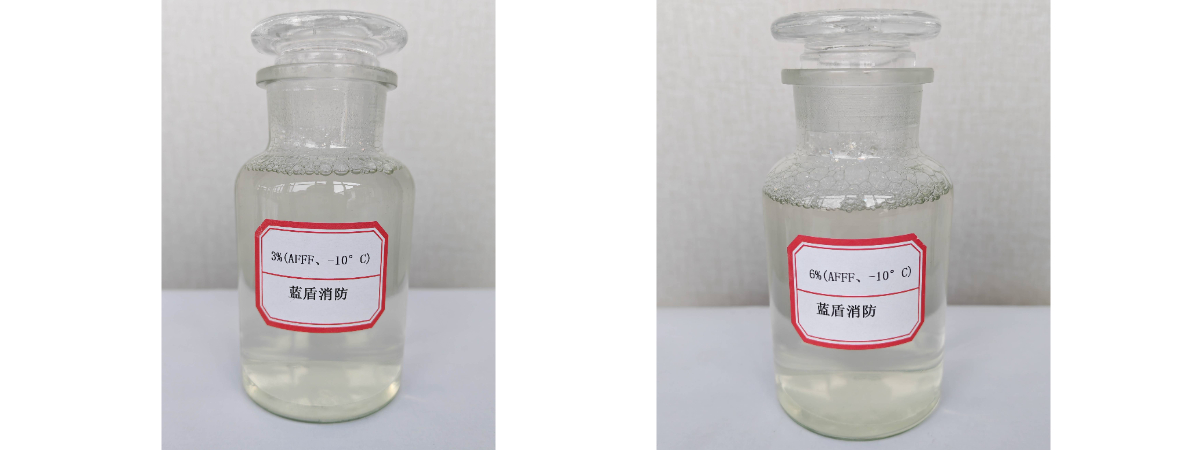
Most Class B Foam Concentrate products in the AFFF group come in 100%, 3%, or 6% types. Lower-percentage products need less concentrate for each gallon of finished foam solution.
This brings these results:
It needs less storage space.
It costs less to transport.
It costs less to refill over time.
Large industrial facilities, airports, and refineries can save a lot of money. Small efficiency improvements can lead to big savings over time.
2.2 Reduced Water Usage and Environmental Impact During Fire Events
People around the world talk about fluorinated compounds. But we need to know one thing. AFFF Fire Fighting Foam puts out fires fast. It can cut down total water use during fire fighting.
Fires are put out faster:
Less water runoff is made.
Structural damage is smaller.
Less firewater gets contaminated.
In emergency response planning, a high-performance Class B Foam Concentrate helps. It makes incidents easier to control. Fires burn for a shorter time.
2.3 Long Shelf Life and Stable Storage
Industrial buyers like Aqueous Film Forming Foam. It can be stored for a long time. It stays good if stored correctly. Many high-quality types stay stable for 10–20 years.
A stable Class B Foam Concentrate gives these benefits:
It does not need to be replaced often.
It costs less over its life.
It works well when emergencies happen.
Facilities must follow strict fire codes and insurance rules. This reliability is very valuable.
3. Industry Compliance and Global Standards
3.1 Meeting International Fire Protection Standards
AFFF Fire Fighting Foam is used all over the world. One big reason is that it meets international standards. These standards include:
UL (Underwriters Laboratories)
FM (Factory Mutual)
EN standards
ICAO aviation requirements
IMO marine regulations
Many certified Class B Foam Concentrate products are tested strictly. They are tested for burn-back resistance and fire performance. This makes sure they work well in real situations.
Big companies work in many countries. A globally accepted Aqueous Film Forming Foam helps them follow rules easily.
3.2 Aviation and Petrochemical Sector Requirements
Airports, aircraft hangars, and fuel farms need fast fire suppression systems. Fires in aviation can become very bad in seconds. Fast action is needed.
AFFF Fire Fighting Foam spreads fast. It has a good record. It is often used in these places:
Aircraft rescue and firefighting (ARFF) vehicles
Hangar deluge systems
Fuel transfer stations
Oil and gas facilities are the same. A high-performance Class B Foam Concentrate is very important. It protects these areas:
Storage tanks
Loading terminals
Offshore platforms
Refining units
These industries have big risks. Choosing Aqueous Film Forming Foam is a strategic choice. It is not just for following rules.
4. Technological Evolution and Modern Adaptations
4.1 Advancements in Fluorine-Free Alternatives
Environmental rules are getting stricter around the world. Makers are working hard. They are making fluorine-free and low-fluorine choices. But traditional AFFF Fire Fighting Foam is still the standard. Other products are compared to it.
In many places, certified Class B Foam Concentrate products are being changed. Makers want to balance these things:
Following environmental rules
Meeting fire performance standards
Staying stable when stored
Working well when used
This change keeps the product useful and flexible.
4.2 Improved Testing and Quality Assurance
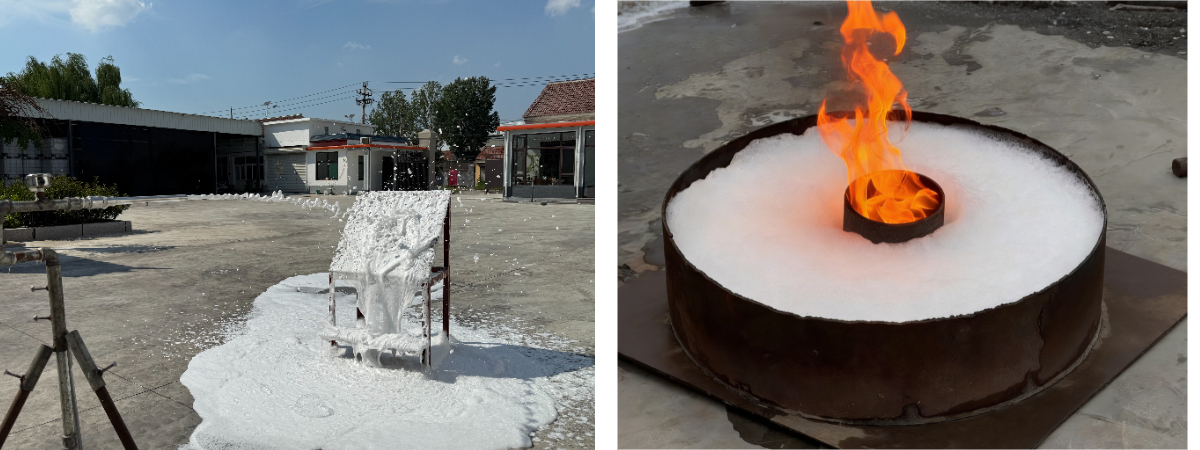
Modern factories make Aqueous Film Forming Foam with better quality control. These checks include:
Testing proportioning accuracy
Testing expansion ratio
Testing drainage time
Testing burn-back resistance
Good Class B Foam Concentrate suppliers give full documents. They give technical data sheets. They give third-party certifications. Buyers can make smart choices.
5. Strategic Fire Risk Management Benefits
AFFF Fire Fighting Foam does more than put out fires. It is a key part of wider risk management plans.
5.1 Business Continuity Protection
One uncontrolled flammable liquid fire can cause:
Big property damage
Environmental fines
Long downtime
Damage to reputation
Using a proven Class B Foam Concentrate makes emergency response better. Fires are put out faster. Business recovery is faster.
5.2 Insurance and Liability Considerations
Insurance companies check fire suppression systems. They do this for high-risk facilities. Using certified Aqueous Film Forming Foam is good. It meets accepted standards. It can affect these things:
Insurance prices
Risk checks
Claim reviews
In some industries, you must install the right Class B Foam Concentrate systems. If you do not, you may get fines. Your insurance may not cover you.
5.3 Integrated Fire Protection Planning
Modern fire safety plans use many systems together. They use detection, alarm, suppression, and containment systems. AFFF Fire Fighting Foam fits well into these plans. This is especially true in facilities with these conditions:
Large amounts of flammable liquids are stored
Open-top tanks are used
Spill fire risks are high
It works well with fixed and mobile systems. This Class B Foam Concentrate supports layered defense plans.
6. Why Global Demand Remains Strong
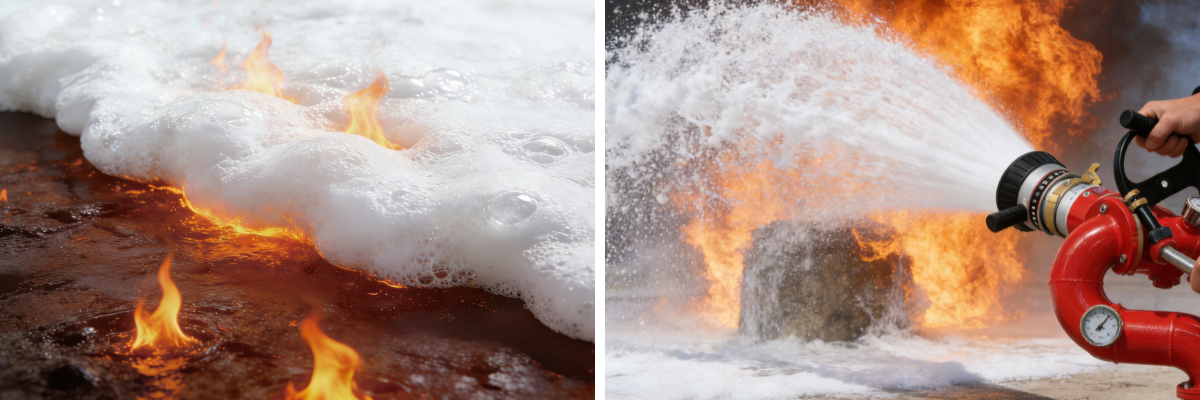
People care more about the environment. Technology keeps changing. But demand for Aqueous Film Forming Foam is still high around the world. The reasons are clear:
It has worked well for many years.
It controls fires fast.
It works with existing systems.
It has international certifications.
It is cheap to store for a long time.