How Does Foam Extinguishing Agent Work?
Fire protection has grown past simple water solutions. In modern industrial, commercial, and emergency settings, foam systems are very important for controlling and stopping dangerous fires. Learning how a Foam Extinguishing Agent works helps safety experts pick the right solution. It also builds trust with leaders who care about efficiency, environmental effects, and long-term fire risk management.
This detailed guide explains the working ideas, main methods, use cases, and future trends of foam-based Fire Extinguishing technology. The content is organized from several key views. It is clear and easy to read. It also works well for SEO for a global audience.
1. The Basic Science of Foam Fire Suppression
At its center, a Foam Extinguishing Agent is made to break the fire triangle: fuel, heat, and oxygen. Water mainly cools fire. Foam uses both physical and chemical methods. It works especially well on fires from flammable liquids.
1.1 What Is Firefighting Foam Made Of?
Firefighting foam is a group of stable bubbles. It comes from mixing three basic parts:
Water – it cools the fire the most
Foam concentrate – it has surfactants and stabilizers
Air – it is added by machines or other systems
When released, these parts form a thick cover. It spreads quickly over the burning surface. In modern Fire Extinguishing systems, the mix is carefully designed. It balances spread speed, stability, and heat resistance.
1.2 How Foam Stops Burning
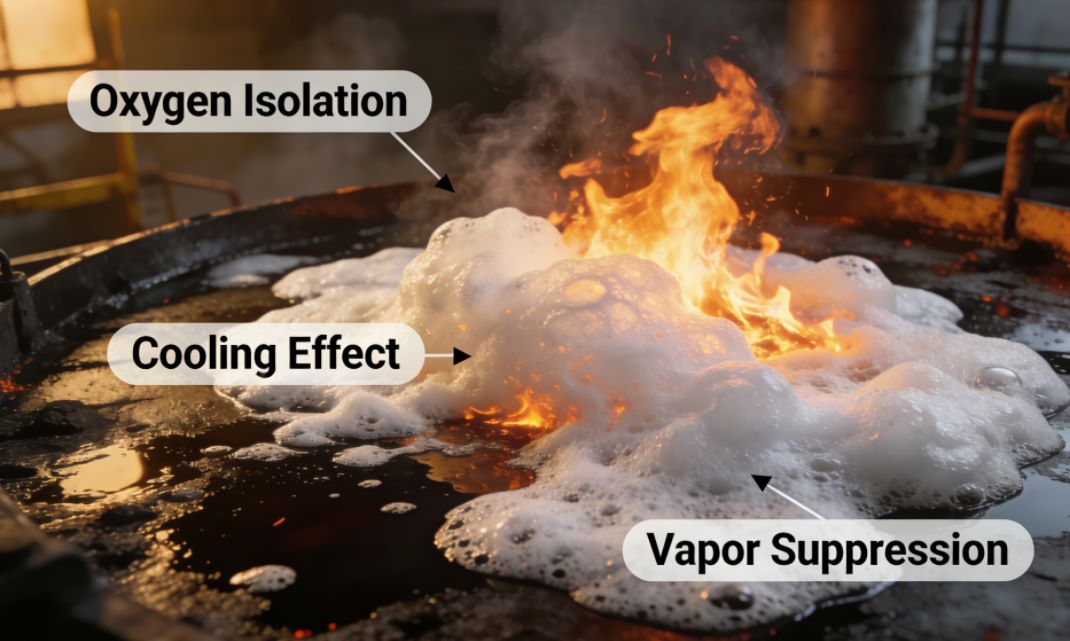
A Foam Extinguishing Agent puts out fire in several ways at the same time:
It separates oxygen – the foam cover seals the fuel surface and cuts off oxygen.
It cools the area – water inside the foam takes in heat. It lowers the temperature below the burning point.
It stops vapor – it keeps flammable vapors from coming out and starting fire again.
This multi-way method shows why foam is often used in high-risk places. Traditional Fire Extinguishing methods do not work well there.
2. Main Methods That Make Foam Extinguishing Agents Work Well
To fully know how a Foam Extinguishing Agent works, you need to see how it acts in real fires. These methods make foam different from other fire-stopping materials.
2.1 Surface Sealing and Fuel Isolation
One of the most important jobs of a Foam Extinguishing Agent is spreading sideways. It forms a continuous film over liquid fuels. This film:
Stops oxygen from reaching the fuel
Stops vapor from coming out to feed the fire
Lowers splashing and movement of burning liquids
In large Fire Extinguishing work, like fuel storage areas, this sealing ability greatly slows fire growth.
2.2 Cooling and Heat Absorption
People often think foam only covers fire. Its cooling job is also very important. Water inside the foam bubbles takes in heat. It lowers surface temperatures. This two-way effect makes fire stopping faster. It also lowers the risk of fire starting again.
2.3 Re-Ignition Prevention
A Foam Extinguishing Agent that is used correctly stays stable on the fuel surface for a long time. This stability keeps stopping vapor for a long time. It is great for fires that often start again. In modern Fire Extinguishing plans, keeping the area safe after the fire is as important as putting it out at first.
3. Types of Foam Extinguishing Agents and Their Uses
Not all foams are the same. Each type of Foam Extinguishing Agent is made for certain fire risks and work needs.
3.1 AFFF and Film-Forming Foams
Aqueous Film-Forming Foam (AFFF) is one of the most common solutions for liquid fuel fires. Its main strength is making a thin water film. This film spreads faster than the foam itself.
Common uses include:
Airports and airplane fuel systems
Petrochemical factories
Military and emergency response teams
These foams work very well for fast Fire Extinguishing. Speed is very important in these cases.
3.2 Alcohol-Resistant Foams
Normal foam may break down on fires from polar solvents. Alcohol-resistant foams make a strong polymer layer. It resists chemical damage. This type of Foam Extinguishing Agent is often used in:
Chemical factories
Medicine storage areas
Special industrial places
4. Advantages of Foam Extinguishing Agents Over Traditional Methods
Choosing a Foam Extinguishing Agent is not only about effectiveness. It is also about work speed, safety, and long-term cost control.
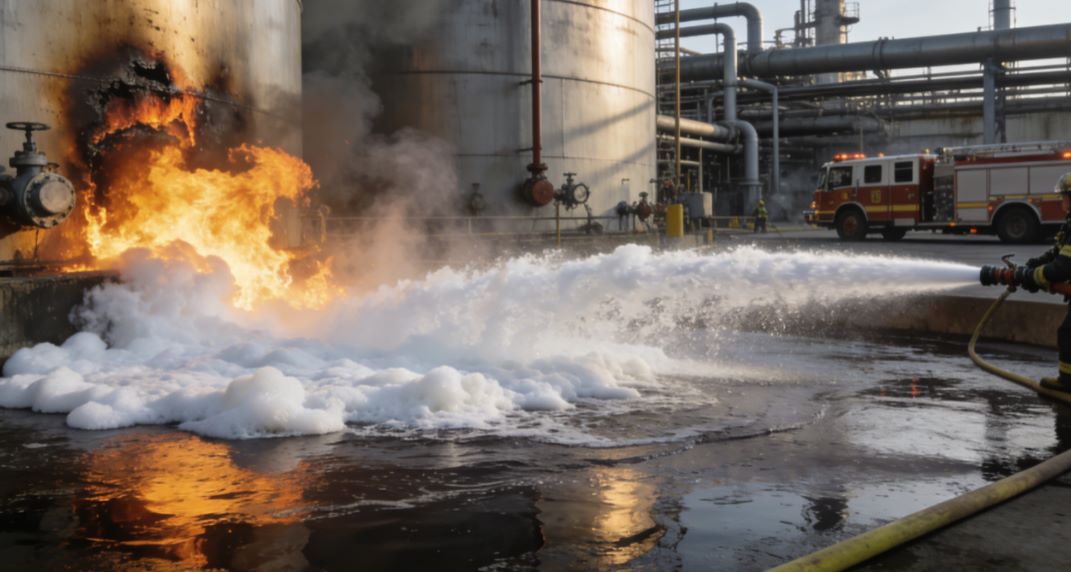
4.1 Faster Knockdown and Less Damage
Foam systems usually put out fires faster than water alone. Faster control means:
Less damage to buildings
Less smoke
Lower risk for workers
For high-value buildings, this advantage makes foam-based Fire Extinguishing solutions a smart choice, not just a safety step.
4.2 Better Safety for Firefighters
Foam makes a clear and strong wall between workers and the fire. It helps them see the situation better. It also lowers their contact with heat and toxic vapors. This is very important in professional Fire Extinguishing work.
4.3 Water Conservation
Foam makes water work better. So much less total water is needed. This is very important in areas with little water or strict environmental rules.
5. Environmental and Rule Considerations
As fire safety technology changes, people also expect more for the environment. Modern Foam Extinguishing Agent development focuses more on sustainability and following rules.
5.1 Moving Away From Old Chemicals
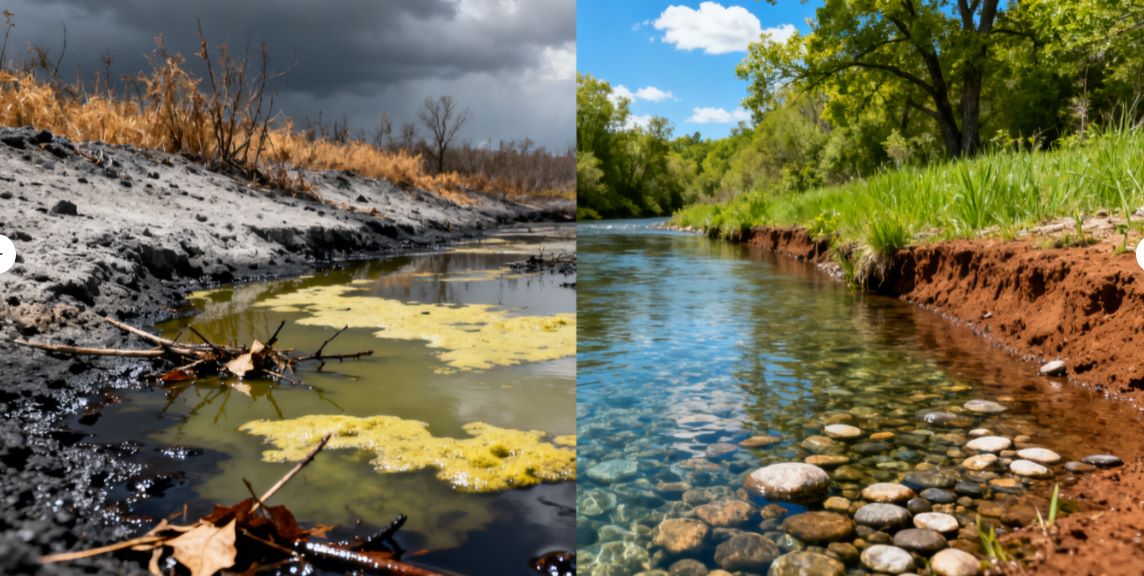
Older foam mixes had problems. They stayed in nature and hurt the environment. Today, makers spend a lot on fluorine-free choices. These choices still work well for Fire Extinguishing. They also lower harm to the environment.
5.2 Following International Standards
Global rules like EN, UL, and NFPA guide the mix and use of foam systems. Choosing a Foam Extinguishing Agent that follows these rules makes approval easier. It also makes long-term work more reliable.
6. How Foam Extinguishing Agents Are Used in Real Systems
Understanding how a Foam Extinguishing Agent works also means knowing how it is used in real life.
6.1 Fixed Foam Systems
These systems are set permanently. They turn on automatically in high-risk areas like tank farms and airplane hangars. They are made for fast Fire Extinguishing response without people.
6.2 Mobile and Portable Uses
Fire trucks, foam trailers, and hand-held tools let workers use foam easily. This flexibility makes foam good for planned protection and emergency situations.
6.3 Proportioning and Mixing Accuracy
How well a Foam Extinguishing Agent works depends on correct mixing. Advanced mixers keep the right foam-to-water rate. They make performance better and waste less during Fire Extinguishing work.
7. Future Trends in Foam Fire Suppression Technology
The future of foam-based fire protection is driven by new ideas, data, and sustainability.
7.1 Smarter Fire Suppression Systems
Foam systems work with sensors and automatic controls. They can respond faster and more accurately. Smart use makes Fire Extinguishing results better. It also lowers unnecessary release.
7.2 Eco-Friendly Foam Development
Research on biodegradable and fluorine-free Foam Extinguishing Agent mixes is growing fast. These next-generation solutions try to balance strong fire stopping and care for the environment.
7.3 Global Demand and Industry Growth
As industry grows around the world, the need for reliable Fire Extinguishing solutions keeps rising. Foam is still a key technology. It is very flexible and has proven performance.
Conclusion: Why Understanding Foam Extinguishing Agents Matters
A Foam Extinguishing Agent is much more than a firefighting tool. It is a complex safety solution. It is built on chemistry, engineering, and real-world experience. Foam systems cover flames, cool heat, and stop re-ignition. They deal with fire risks in a complete and efficient way.
For industries that handle flammable materials, important building operators, and safety experts, knowing how foam works is very important. It helps them make good choices about Fire Extinguishing plans. As technology and environmental rules change, foam-based solutions will keep changing. They will stay a trusted and necessary part of modern fire protection systems.