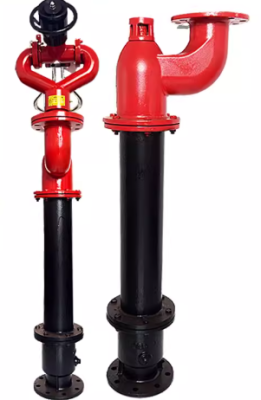
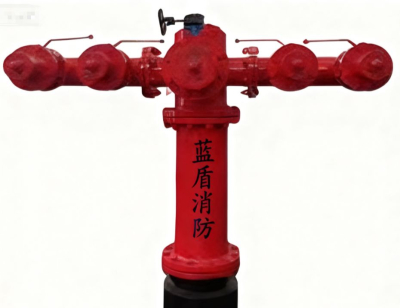
What is Foam Concentrate?
Foam concentrate is an essential component in firefighting and industrial applications, providing an effective solution for fighting flammable liquid fires. In this article, we will explore foam concentrate from various angles, ensuring a thorough understanding of its types, applications, and advantages. We will also touch upon specific formulations such as Synthetic Foam Concentrate and Aqueous Film Forming Foam (AFFF), examining their roles in modern firefighting.
1. Understanding Foam Concentrate
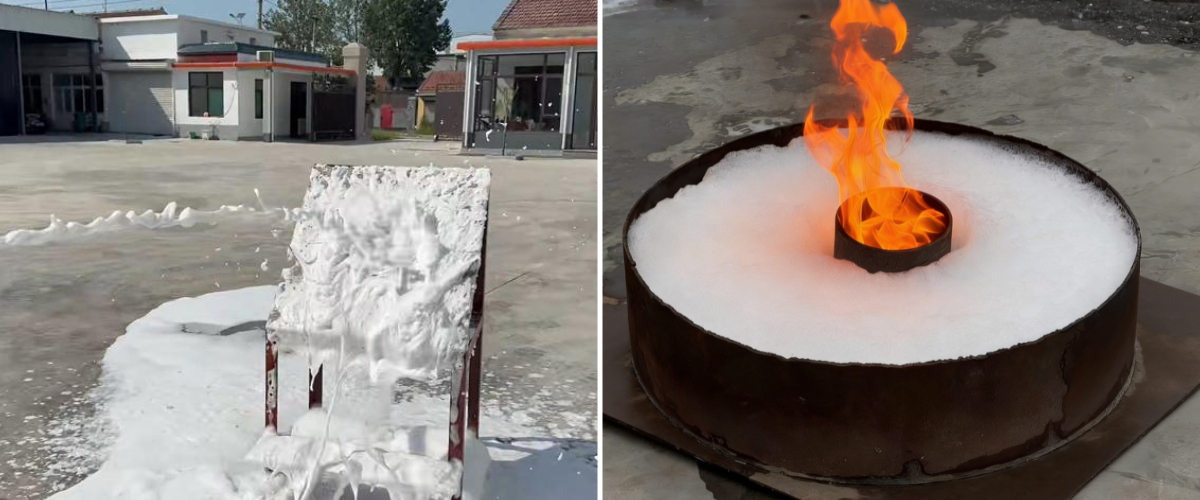
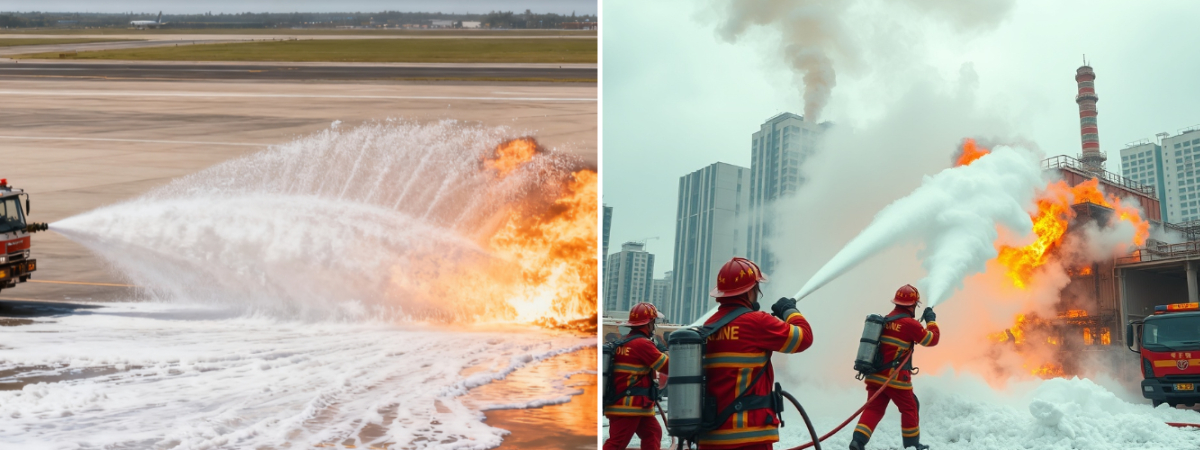
Foam concentrate is a specialized liquid used to create firefighting foam when mixed with water. This foam effectively extinguishes fires by smothering flames, cooling burning material, and creating a barrier that prevents the re-ignition of combustibles. The composition of foam concentrate often varies depending on its intended use, but the primary goal remains consistent: to provide a robust firefighting solution.
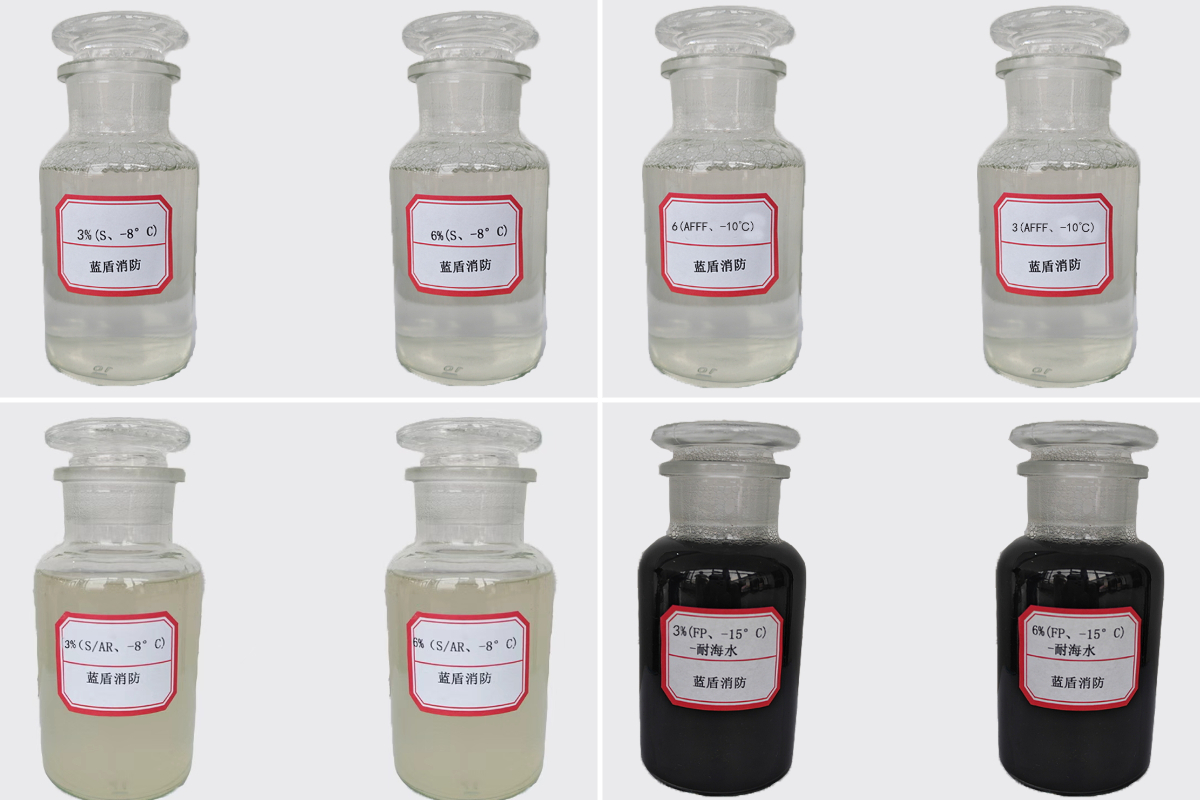
Foam concentrates can be classified into several categories, including:
2. The Importance of Synthetic Foam Concentrate
Synthetic Foam Concentrate plays a pivotal role in modern firefighting due to its enhanced properties. Unlike traditional protein-based foams, synthetic versions are designed to address specific challenges presented by modern fuels and chemicals. Here's why synthetic foam concentrates are crucial:
3. Applications of Foam Concentrate
The applications of foam concentrate are extensive and vital for both firefighting and industrial processes. Here are some key applications:
4. Advantages of Aqueous Film Forming Foam
Aqueous Film Forming Foam, commonly known as AFFF, offers distinct advantages that make it a preferred choice in various firefighting scenarios. Some of the benefits include:
5. Selecting the Right Foam Concentrate
Choosing the right foam concentrate depends on various factors, including the type of fire, the environment, and regulatory considerations. Here are some key points to consider:
Making an informed choice about foam concentrate can significantly enhance firefighting efforts and reduce risks associated with fire incidents.
6. The Future of Foam Concentrate in Firefighting
As firefighting technology continues to evolve, the future of foam concentrate also looks promising. Researchers are developing new formulations focusing on enhanced performance with minimal environmental impact. The ongoing push for sustainability and eco-friendliness is leading to innovations in foam products that are less toxic and more biodegradable.
Furthermore, advancements in delivery systems for foam concentrates are being explored, including drone applications and automated systems capable of dispensing foam in hard-to-reach areas. This technology could revolutionize the way firefighters approach emergencies, providing rapid deployment solutions that improve efficiency and safety.
In conclusion, foam concentrate, particularly in its synthetic and AFFF forms, is vital in modern firefighting strategies. Understanding its types, advantages, and applications allows fire safety professionals to make informed decisions that enhance safety and efficiency in handling hazardous fire situations. The future holds exciting possibilities as newer formulations and technologies emerge, ensuring that foam concentrate remains at the forefront of firefighting efforts.