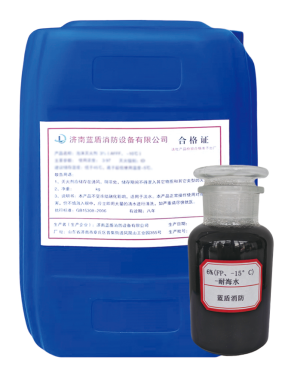
Seawater-Resistant AR-AFFF vs. Regular AR-AFFF: Key Differences
High-risk industries include offshore oil & gas, marine transportation, petrochemical storage, and port logistics. Fire protection systems must perform under extreme and unpredictable conditions in these industries. Alcohol Resistant AFFF (AR-AFFF) is one of the most trusted firefighting solutions for flammable liquid fires. Not all AR-AFFF formulations are the same.
More and more professionals are choosing Seawater-Resistant AFFF Concentrate. They see it as a more reliable solution in marine and coastal environments. What makes it different from regular AR-AFFF? Why does this difference matter? It matters for operational safety, compliance, and long-term cost efficiency.
This guide looks deep into the key differences between Seawater-Resistant AFFF Concentrate and regular AR-AFFF. It covers performance, compatibility, regulatory factors, and strategic selection criteria. The perspective is practical and global industry-focused.
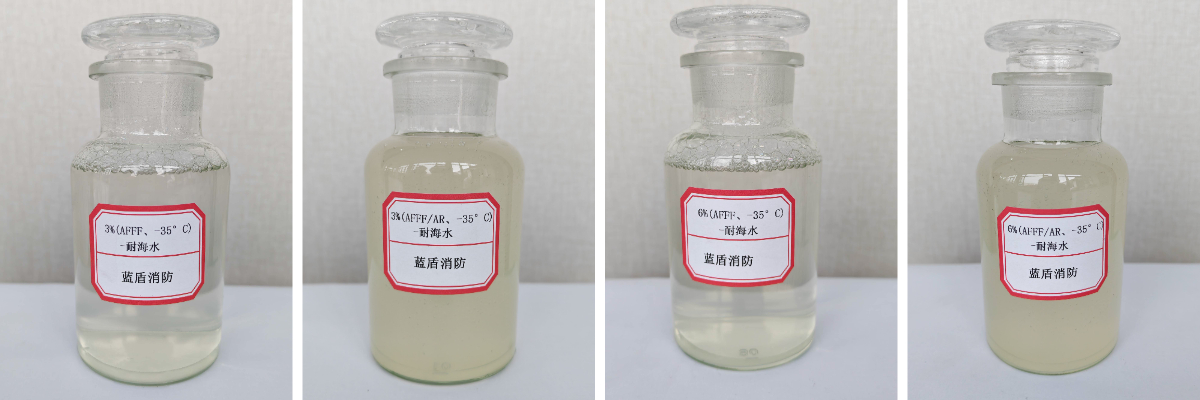
Performance Under Real-World Conditions: Freshwater vs. Seawater Compatibility
Performance in actual deployment conditions is the most critical factor when comparing fire suppression agents. Traditional Alcohol Resistant AFFF works well against hydrocarbon and polar solvent fires. It is usually made for freshwater systems. This is a limitation in marine or offshore environments.
1.1 The Science Behind Seawater Compatibility
Standard AR-AFFF uses surfactant chemistry. This chemistry is optimized for freshwater dilution. Seawater has high salinity, minerals, and ionic compounds. Traditional foam concentrates may react in certain ways when mixed with seawater:
They may lose expansion stability
They may have reduced foam blanket integrity
They may show slower knockdown times
They may have decreased burn-back resistance
Seawater-Resistant AFFF Concentrate is different. It is specially engineered with modified surfactant systems and stabilizers. These parts help it keep foam structure even in high-salinity conditions.
This is very important in these places:
Offshore drilling platforms
FPSOs (Floating Production Storage and Offloading units)
Shipboard fire suppression systems
Coastal petrochemical terminals
Freshwater availability is limited in these environments. Or freshwater is saved for critical operations. Seawater-Resistant AFFF Concentrate can work well with seawater. This ensures fire protection is ready at all times.
1.2 Foam Expansion and Drainage Performance
Foam quality is measured by two things: expansion ratio and drainage time. Regular Alcohol Resistant AFFF may have problems with drainage times when diluted with seawater. This can lead to:
Faster foam collapse
Reduced vapor suppression
Increased risk of re-ignition
Seawater-Resistant AFFF Concentrate is different. It keeps optimal expansion ratios and slow drainage rates. It forms a strong aqueous film and polymer membrane over fuel surfaces.
This difference is important. It can be the line between controlled suppression and catastrophic escalation.
Application Scenarios: Where Each Foam Type Fits Best
Choosing between regular AR-AFFF and Seawater-Resistant AFFF Concentrate is not about which is “better” overall. It is about selecting the right formulation for the right environment.
2.1 Industrial and Municipal Use (Freshwater Systems)
Regular Alcohol Resistant AFFF works very well in:
Chemical plants
Fuel storage depots
Airport crash rescue units
Municipal fire departments
These settings usually use controlled freshwater systems. This allows traditional AR-AFFF to work at its best.
Advantages include:
Cost-effectiveness
Established regulatory approvals
Familiarity in fire brigades
Compatibility with standard proportioning equipment
It has a limitation. It does not work well in environments where freshwater supply is inconsistent or unavailable.
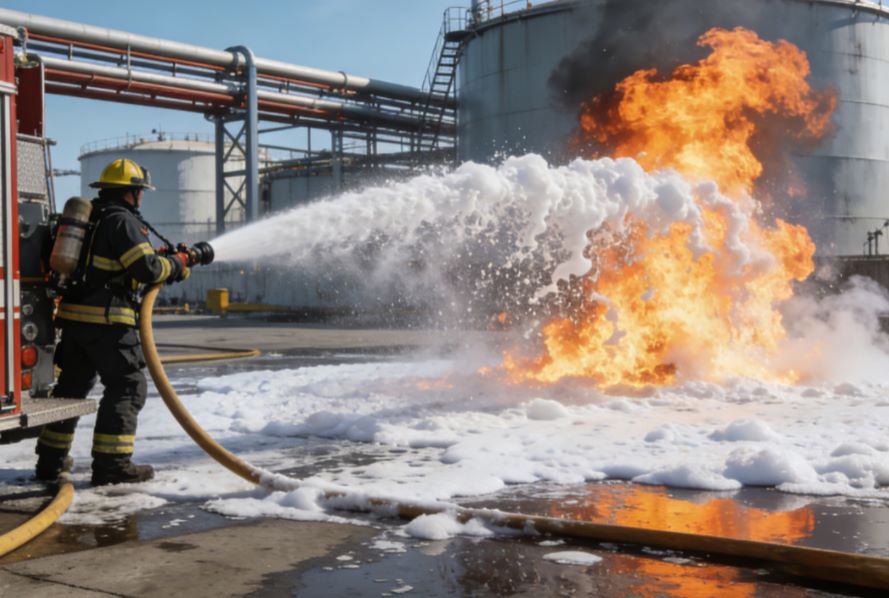
2.2 Marine, Offshore, and Coastal Protection
For maritime industries, Seawater-Resistant AFFF Concentrate is often not just an option. It is a necessity.
Key application areas include:
Oil tankers and cargo vessels
Naval ships
Offshore oil platforms
Port terminals
Coastal refineries
These facilities get water directly from surrounding seawater sources. Using standard Alcohol Resistant AFFF can lower firefighting efficiency.
Seawater-Resistant AFFF Concentrate ensures:
Stable foam generation using seawater
Compliance with marine safety standards
Reduced logistical dependency on freshwater storage
Consistent fire suppression in emergency scenarios
For international shipping companies and offshore operators, this compatibility lowers operational risk a lot.
Chemical Composition and Film Formation Technology
Understanding the chemistry behind foam concentrates shows why Seawater-Resistant AFFF Concentrate acts differently.
3.1 Polymer Membrane Formation in Alcohol Fires
Both standard and seawater-resistant Alcohol Resistant AFFF are designed to fight polar solvent fires. They form a protective polymer membrane. This membrane prevents foam destruction.
Seawater has ionic interference. This can disrupt membrane formation in regular AR-AFFF.
Seawater-Resistant AFFF Concentrate includes:
Enhanced surfactant packages
Salt-tolerant stabilizers
Optimized fluorosurfactant or fluorine-free technologies (depending on formulation)
This ensures the aqueous film spreads evenly across hydrocarbon fuels. It also keeps membrane integrity over alcohol-based fuels.
3.2 Compatibility with Modern Environmental Standards
Global regulations are increasing. This includes restrictions on PFAS-based foams. Manufacturers are developing environmentally advanced Seawater-Resistant AFFF Concentrate options.
Compared to traditional Alcohol Resistant AFFF, modern seawater-resistant formulations may offer:
Lower environmental persistence
Compliance with IMO marine standards
Improved biodegradability (in fluorine-free variants)
Multinational operators face cross-border compliance requirements. Selecting the right foam concentrate can affect legal and reputational risks.
Cost Efficiency and Operational Strategy
Many procurement managers first look at price per liter. The total cost of ownership is different.
4.1 Hidden Costs of Using the Wrong Foam
Using regular Alcohol Resistant AFFF in a seawater-based system can lead to:
Reduced extinguishing efficiency
Higher foam consumption rates
Increased burn-back risk
Potential equipment damage
System flushing and replacement costs
Seawater-Resistant AFFF Concentrate may have a higher upfront cost. It delivers these benefits:
Lower reapplication frequency
Reduced freshwater storage needs
Fewer system modifications
Greater operational reliability
Over time, the lifecycle cost often favors seawater-compatible formulations in marine settings.
4.2 Storage and Shelf Life Considerations
Modern Seawater-Resistant AFFF Concentrate products are designed for long-term storage stability. They can handle harsh conditions, including:
Temperature fluctuations
High humidity
Vibration environments (marine vessels)
Standard Alcohol Resistant AFFF may not always have the same resilience in offshore storage conditions.
Regulatory Compliance and International Standards
Compliance requirements vary across regions. This is especially true in marine industries.
5.1 Maritime Certifications
Seawater-Resistant AFFF Concentrate is often tested according to:
IMO MSC.1/Circ.1312
MED (Marine Equipment Directive)
EN and UL standards
Regular Alcohol Resistant AFFF products may not automatically meet marine-specific seawater performance tests.
5.2 Insurance and Risk Assessment
Insurance providers increasingly evaluate:
Foam compatibility with site water sources
Performance data under realistic fire scenarios
Environmental impact documentation
Selecting Seawater-Resistant AFFF Concentrate for marine operations can strengthen risk profiles. It can also improve insurability.
Strategic Decision-Making: How to Choose the Right Foam
When deciding between regular Alcohol Resistant AFFF and Seawater-Resistant AFFF Concentrate, consider this checklist:
✅ Water Source
Freshwater only → Regular AR-AFFF may suffice
Seawater or mixed supply → Choose Seawater-Resistant AFFF Concentrate
✅ Industry Type
Municipal / industrial inland → Alcohol Resistant AFFF
Offshore / marine / port operations → Seawater-Resistant AFFF Concentrate
✅ Regulatory Requirements
Marine certification needed → Seawater-compatible solution required
✅ Environmental Policy
PFAS restrictions → Evaluate modern fluorine-free variants
Final Thoughts: Why the Difference Matters More Than Ever
Today’s global safety landscape has specific demands. Fire suppression solutions must align with operational realities. The difference between regular Alcohol Resistant AFFF and Seawater-Resistant AFFF Concentrate is more than formulation. It affects performance reliability, regulatory compliance, environmental responsibility, and long-term cost efficiency.
Inland facilities with stable freshwater systems can trust traditional AR-AFFF. It is still an effective choice. Marine, offshore, and coastal operations need to consider Seawater-Resistant AFFF Concentrate. It offers critical advantages that cannot be ignored.
Industries keep expanding into offshore and maritime sectors. Choosing the right foam concentrate is not just a technical decision. It is a strategic one.