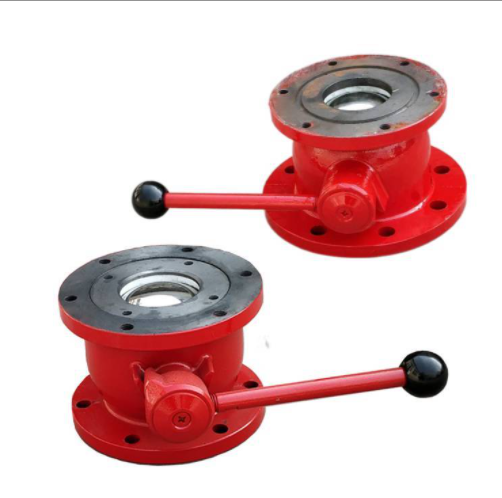
Fire Ball Valve
Excellent sealing performance: The sealing performance of ball valves is superior to other types of valves, effectively preventing leakage.
Easy operation: On-off can be achieved with a 90-degree rotation, improving operational efficiency.
Low flow resistance: Ball valves have small fluid resistance, helping to enhance the operating efficiency of the system.
Strong corrosion resistance: Mostly made of stainless steel, copper and other materials, adapting to various harsh environments.
Product Introduction
A Fire Ball Valve is a control valve used in fire protection systems, mainly for regulating and controlling water flow. Its core component is a spherical valve core, which achieves on-off status by rotating the ball. It is widely used in fire water supply, fire extinguishing systems and other places.
Model | Import pipe diameter | Export pipe diameter | Height |
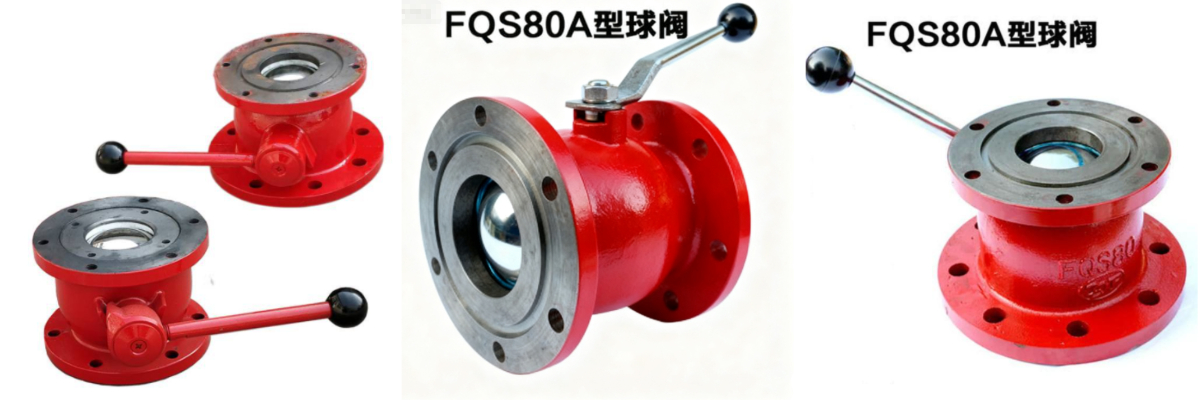
FQS80A | DN100 | DN80 | 130mm |
FQS80A-A | DN100 | DN100 | 130mm |
FQS80B | DN80 | DN80 | 130mm |
Application Scope
Fire sprinkler systems
Supporting facilities for fire water tanks and fire pumps
Control and regulation of water supply pipelines
Industrial fire-fighting equipment and facilities
Working Principle
A fire ball valve controls the on-off of fluid through a ball with a central hole. The spherical valve core inside the valve body has an inlet and an outlet. When the ball rotates 90 degrees, fluid can pass freely; on the contrary, closing the valve body completely cuts off the fluid flow.
Main Components
Valve body: Usually made of cast steel, stainless steel or other corrosion-resistant materials.
Valve core: Spherical structure, used to control the on-off of fluid.
Valve stem: Connects the valve core with the operating handle.
Seal ring: Improves the sealing performance of the valve and prevents leakage.
Product Recommendation Reasons
High reliability: In case of major fires, fire ball valves can respond quickly to ensure the stability of the fire protection system.
Durability: High-quality materials and design result in a long service life and low maintenance costs.
Strong adaptability: Widely applicable to various types of fire protection systems, meeting the needs of different occasions.