Is Alcohol Resistant AFFF a Better Upgrade from AFFF 6?
Firefighting foam has become an essential tool in extinguishing flammable liquid fires. 6 AFFF Foam and Alcohol Resistant AFFF foam are two common types. They have special properties and uses. Knowing their differences can help improve firefighting plans and safety rules. This article looks at their features, uses, production methods, and effectiveness. It explains why they are important in firefighting.
Understanding 6 AFFF Foam
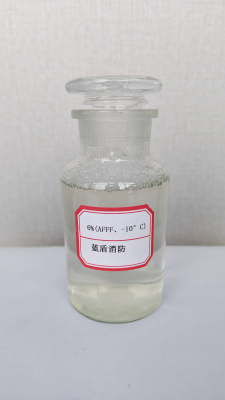
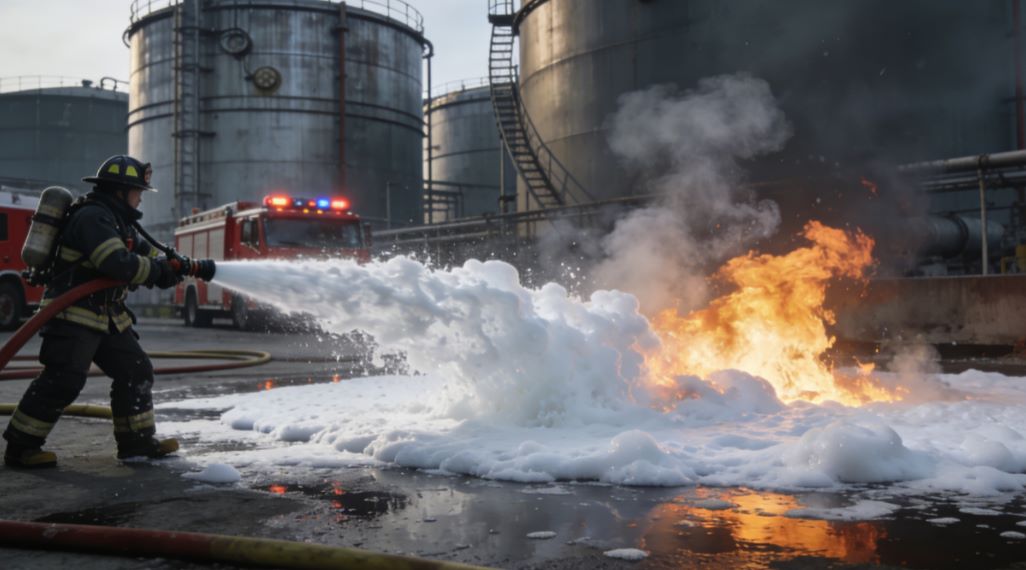
6 AFFF Foam, or Aqueous Film Forming Foam, is a special product. It is made to put out fires from hydrocarbon and polar solvent fuels. The “6” shows its concentration level. It usually means a 3% to 6% concentrate mixed with water. This foam makes a film on the surface of flammable liquids. The film smothers the fire and reduces flammable vapors. This is important for firefighter safety.
Key Characteristics of 6 AFFF Foam
Fast-Acting: 6 AFFF Foam makes a thin water film. The film spreads quickly over the burning liquid. This helps put out the fire fast.
Versatile: This foam works on hydrocarbon and polar solvent fires. It is used in many industries. These include oil refineries, chemical plants, and airports.
Environmental Considerations: Many 6 AFFF Foam products are made to be more eco-friendly. Modern versions may have lower levels of perfluorinated compounds. This reduces environmental impact.
Differences Between 6 AFFF Foam and Alcohol Resistant AFFF
Alcohol Resistant AFFF is made for polar solvent fires like alcohols. The differences between the two foams show their specific uses.
Chemical Composition
The main difference is in their chemical makeup. 6 AFFF Foam often uses fluorinated surfactants. These work well on hydrocarbon fuels. Alcohol Resistant AFFF has extra additives. These include polymeric surfactants. They help create a protective barrier in alcohol and other polar solvents.
Suppression Mechanism
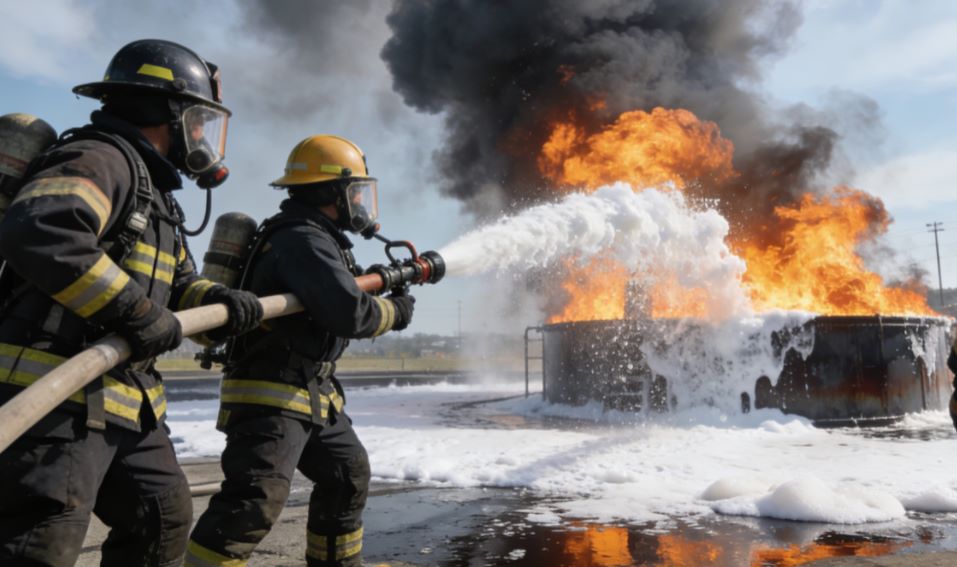
6 AFFF Foam makes a film. The film blocks oxygen and cools the flame. Alcohol Resistant AFFF makes a thicker foam blanket. The blanket becomes gel-like. It resists breakdown in alcohol. It provides longer suppression and helps prevent re-ignition.
Application Areas
6 AFFF Foam is mainly used in industrial fires with hydrocarbons. Its versatility makes it useful in many places, such as:
Oil and gas industries
Transportation hubs, including airports
Manufacturing facilities
Alcohol Resistant AFFF is made for areas with flammable solvents. These include:
Laboratories and research facilities
Warehouses with chemical storage
Areas with large amounts of ethanol or methanol
Production Methods of 6 AFFF Foam
Making 6 AFFF Foam requires careful steps. These steps ensure efficiency and safety. Knowing how it is made can help judge quality and suitability.
Formulation Process
The process starts with choosing surfactants, solvents, and stabilizers. Manufacturers mix these ingredients to make a concentrate. The main steps are:
Ingredient Selection: The choice of surfactants and stabilizers affects performance. Good ingredients help form strong films and stable foam.
Mixing and Homogenization: Ingredients are mixed under controlled conditions. This ensures consistency and prevents separation. Each batch must work well.
Quality Control: Tests are done to check suppression ability, splash resistance, and environmental impact. Products must meet industry standards.
Environmental Impact Considerations
More attention is being paid to environmental issues. Many manufacturers now make eco-friendly 6 AFFF Foam. They reduce harmful ingredients. They use sustainable production methods. They ensure products meet environmental rules.
Effectiveness and Safety of 6 AFFF Foam
6 AFFF Foam works well in real emergencies. It is used widely by first responders and industrial safety teams.
Performance in Emergency Situations
In emergencies, time is important. 6 AFFF Foam acts quickly. Key points include:
Rapid Expansion: 6 AFFF Foam can expand a lot when used. It covers more area than simple water-based methods.
High Knockdown Rates: The foam puts out flames quickly. This stops the fire from spreading and reduces damage.
Durability: 6 AFFF Foam stays on surfaces longer than water. It provides ongoing suppression.
Training and Safety Protocols
Using 6 AFFF Foam requires proper training. Fire departments and industrial teams need to:
Learn how to apply the foam correctly
Know when to use different types of foam
Maintain equipment for effective foam deployment
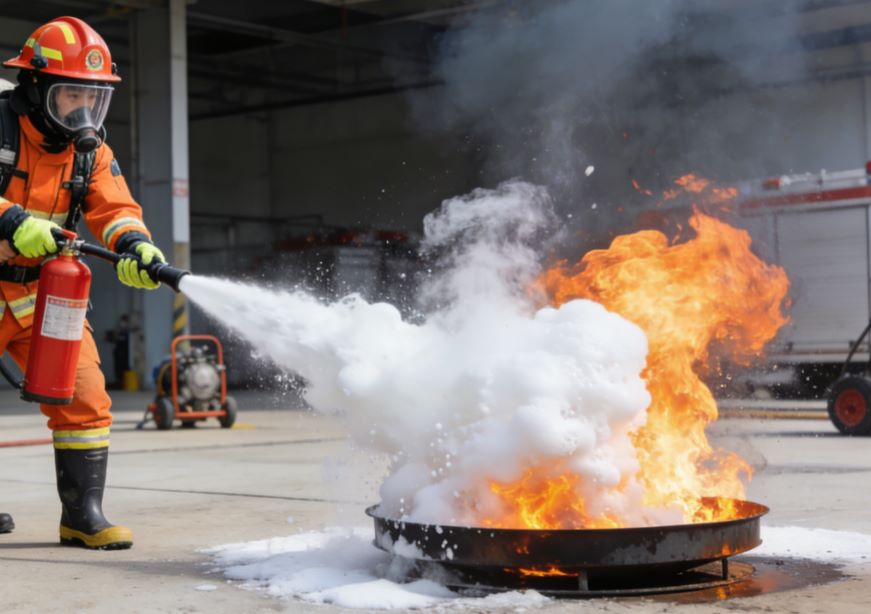
In conclusion,6 AFFF Foam is very important in modern firefighting. It is especially useful in industrial settings. Knowing how it differs from Alcohol Resistant AFFF helps users understand its strengths and best uses. Learning about production methods and safety rules helps safety teams choose the right foam. This leads to better fire suppression and lower risks. As industries change, firefighting foams will continue to develop. Innovation will keep improving safety and efficiency.
By choosing 6 AFFF Foam wisely, organizations can protect property and people from fire dangers.