Foam Fire Hydrant
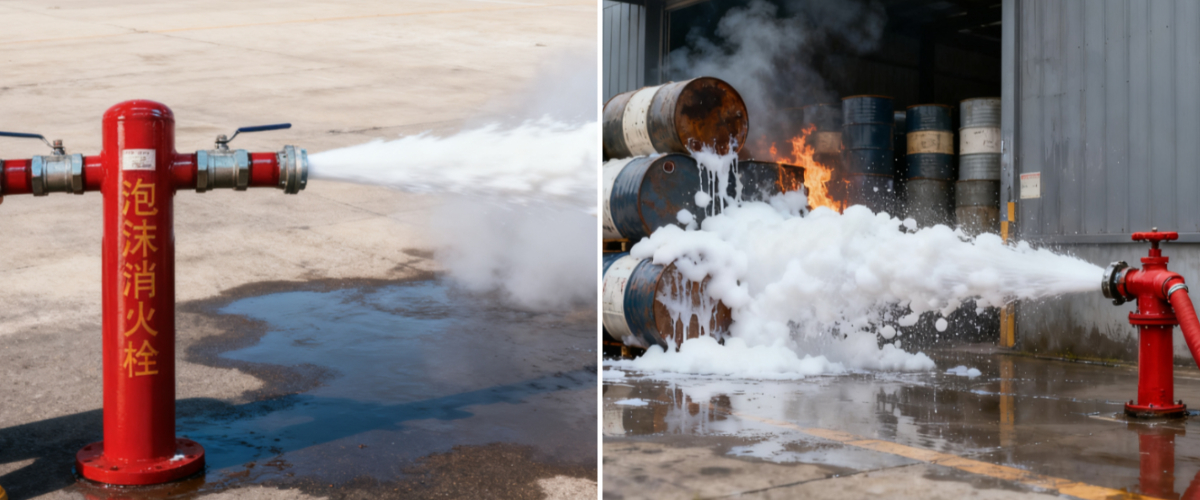
1.High injection efficiency: The foam fire hydrant can effectively spray the foam mixture onto the fire source, quickly suppressing the fire.
2.Simple structure: With a concise design, it is suitable for various occasions and easy to install and maintain.
3.Stable and reliable performance: Having undergone strict testing, it demonstrates excellent usability and reduces the possibility of accidents.
4.Low maintenance cost: The overall structure is simple, with a long cycle for daily maintenance, lowering the operational cost.
Product Introduction
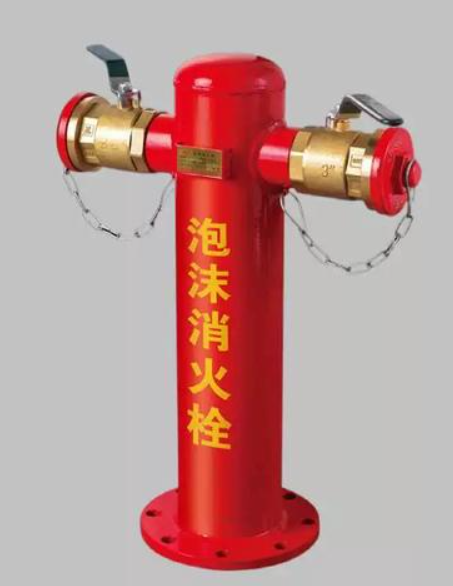
A Foam Fire Hydrant is an important dedicated fire-fighting equipment in the foam fire-extinguishing system. It is mainly installed on the foam concentrate mixing board and used to supply foam mixture to foam injection devices. Its typical structure consists of two double-seal fire ball valves, forming dual outlets. By connecting fire hoses, it accurately sprays the foam mixture onto the fire source.
Product Specifications
Model | Designated pressure | Liquid inlet through the passage | Outlet diameter | Connection method |
PSS100/65*2-1.6 | 1.6Mpa | 100mm | 65*2 | PN16/DN100 |
PSS150/65*2-1.6 | 1.6Mpa | 150mm | 65*2 | PN16/DN150 |
Working Principle
When using the foam fire hydrant, the user first needs to connect the hose and injection device to the outlets. Before opening the outlet valves, confirm the direction of the valve switch to ensure correct operation. During operation, both outlets can be used simultaneously. If only one outlet is needed, the other can be closed to prevent leakage, thereby maintaining the foam concentrate and pressure.

Main Fire-Fighting Components
Hydrant main body: Usually made of high-strength structure, featuring good corrosion resistance and durability.
Double-seal ball valves: Ensure the tightness and safety of the outlets, preventing fire-fighting fluid leakage.
Foam concentrate inlet: Responsible for connecting to the foam mixture to ensure uniform mixing.
Control valve: Adjusts the foam flow rate to guarantee normal injection.
Outlet interfaces: Connect to fire hoses simultaneously to ensure continuous foam output.
Application Scope
The foam fire hydrant is widely used in multiple fields, such as:
Petrochemical enterprises: Used in high-risk areas like oil storage tanks and refineries.
Aviation support field: Fire protection in places such as airports, especially for aircraft fires.
Vehicle and logistics centers: Used in large warehouses and sorting centers to ensure cargo safety.
Ports: Areas for ship refueling and chemical storage.
Product Recommendation Reasons
Efficient fire-extinguishing capability: Adapts to various fire types, especially flammable liquid fires, and can effectively control the fire.
User-friendliness: Designed in line with ergonomics, it is easy to operate even in emergency situations for quick use.
Strong flexibility: The dual-outlet design enhances flexibility and efficiency in fire response, coping with fires of different scales.