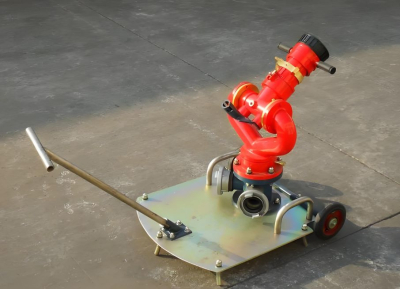
How to Choose an Industrial Fire Fighting Foam Tank?
Selecting the right Fire Fighting Foam Tank is essential for effective fire management in industrial settings. These tanks serve as portable extinguishing devices. They provide adaptability and flexibility during fire emergencies. In this article, we will explore various considerations. They will guide you in choosing the best Fire Fighting Foam Tank for your needs. We will also dive into the relevance of different Foam Extinguishing Agents.
1.The Importance of Understanding Fire Fighting Foam Tanks
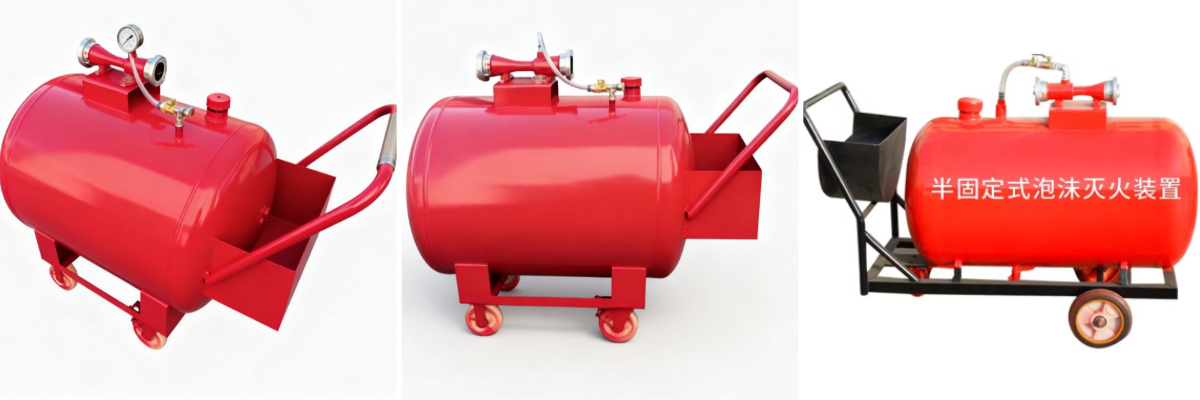
Understanding what a Fire Fighting Foam Tank entails is the first step in making an informed choice. This portable device is typically mounted on wheels. It is for easy transportation. It features a PHF type wire tube (negative pressure) proportional mixer. This mixer allows for the creation of low, medium and high-expansion foam. It is adaptable to various fire scenarios.
A Mobile Foam Tank effectively supplements larger, fixed foam fire extinguishing systems. It is indispensable for facilities like warehouses, boiler rooms, garages and ship cabins. Knowing this functionality is crucial. You are deciding on your foam tank solution.
2.Assessing Fire Risks and Requirements
Before choosing a Fire Fighting Foam Tank, it’s imperative to conduct a thorough risk assessment of your facility. Different environments pose different fire risks. The risks are based on their materials and processes:
Flammable Liquid Warehouses: Require tanks compatible with specific Foam Extinguishing Agents. The agents can effectively suppress chemical fires.
Solid Material Warehouses: These spaces benefit from foam. The foam can prevent spontaneous combustion and coalescence of solid materials.
Underground Projects and Boiler Rooms: Here, a Mobile Foam Tank offers quick deployment options. They are for immediate action during an emergency.
Foam Extinguishing Agents such as Aqueous Film-Forming Foam (AFFF) or protein foam can be specifically suited for high-risk areas. The choice of agent will dictate the effectiveness of the foam. It will also dictate the design and function of your foam tank.
3.The Right Capacity and Size
Selecting the appropriate size and capacity of your Fire Fighting Foam Tank is critical. It is for ensuring effective fire response:
Space Availability: Assess the available space in your facility. It is for mobility and storage of the tank. This is especially important if it requires frequent relocation.
Fire Suppression Volume: The size of your tank should correlate with the operational scale. It should also match the potential volume of foam needed in a fire emergency.
Local Regulations: Make sure your tank complies with local fire safety codes. The codes specify requirements for tank dimensions and foam capacity.
A properly sized Fire Fighting Foam Tank will ensure your facility is equipped. It can manage and extinguish fires effectively.
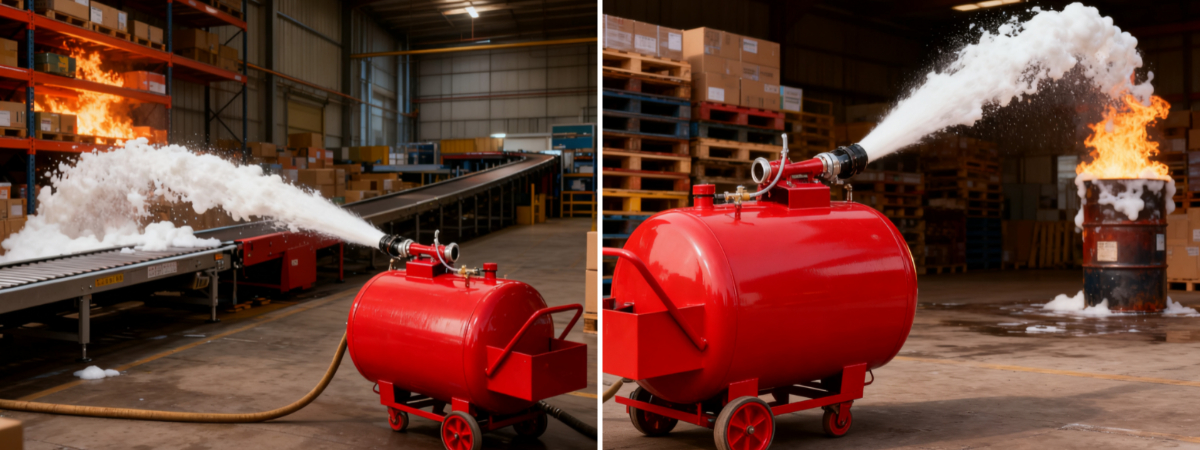
4.Materials and Construction Quality
The durability of a Fire Fighting Foam Tank relies heavily on the materials. They are used in its construction. Here are the key factors to consider:
Corrosion Resistance: Ensure the tank is constructed from materials. They can withstand exposure to various chemicals and environmental conditions.
Tank Design: A seamless construction method enhances the tank’s strength and durability. It is essential for reliability during emergencies.
Maintenance Needs: Tanks should be easy to inspect and maintain. This ensures optimal functionality at all times.
Selecting high-quality materials enhances the tank’s lifespan. It also boosts its performance under pressure. This is especially true when combined with effective Foam Extinguishing Agents.
5.Mobility and Deployment Efficiency
One of the standout features of a Mobile Foam Tank is its ability. It can be swiftly deployed in high-stakes situations. Here’s what to look for:
Wheeled Design: Make sure the tank is portable. It should be easily transportable to various locations within your facility.
Compatibility with Various Water Sources: Your tank should connect seamlessly to fire hydrants, fire trucks or hand pumps. This versatility is essential during emergencies.
Rapid Deployment Features: Quick connection systems for foam guns and generators will enhance your operational response. It happens during a fire.
With a well-designed Mobile Foam Tank, fire response teams can minimize the impact of a fire. They ensure safety and reduce damage.
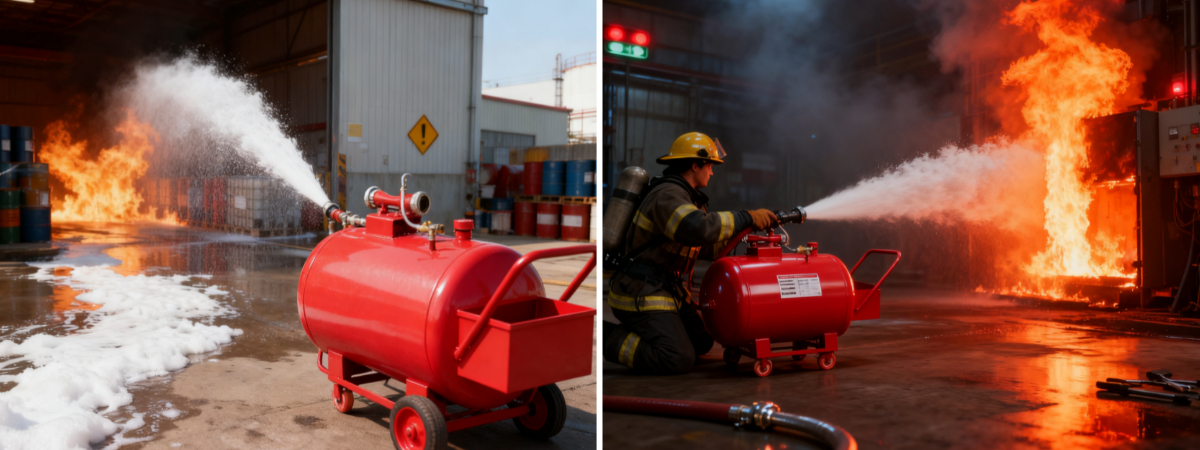
6.Regulatory Compliance and Certifications
Before finalizing your choice, ensure that the Fire Fighting Foam Tank adheres to safety and industry standards:
Certification: Look for tanks. They are certified by relevant regulatory bodies. The certification confirms they meet safety and quality standards.
Local Compliance: Understand any local codes. They might affect your specific application. Ensure you comply during the selection process.
Supplier Reputation: Choose reputable suppliers. They are known for their compliant and reliable fire safety products.
Choosing a compliant Fire Fighting Foam Tank not only protects your business. It also ensures the safety of your employees and assets.
Conclusion
Selecting the right Fire Fighting Foam Tank is pivotal. It safeguards your industrial facility from fire risks. You can understand the types of Foam Extinguishing Agents. You can assess fire risks and requirements. You can consider tank size, material quality, mobility and compliance. Doing these things can enhance your fire safety strategy significantly. The right combination of a Fire Fighting Foam Tank with suitable foam agents will ensure your preparedness. It will also boost response efficacy in critical situations. Invest wisely in fire safety. You will effectively protect lives and property.