How Do Industrial Fire Sprinklers Work?
Industrial fire safety is very important. An Industrial Fire Sprinkler System safeguards property. It also protects lives. It stops fires from growing bigger. This article looks at how these systems work. It talks about their parts, design points, activation ways and special uses. It focuses on the Fire Sprinkler Cooling System for oil and chemical industries.
1.Understanding Industrial Fire Sprinkler Systems
An Industrial Fire Sprinkler System is a fire protection system for large industrial places. These places include oil refineries and chemical plants. These systems send water out automatically. They put out fires or keep fires under control well. They help factories follow fire safety rules. They also protect factory property and people's lives.
Key Components of the System
Water Supply: A steady water source is the first important part. It can be city water supplies, water tanks or water pumps. It makes sure there is enough water pressure and water flow when the system starts working.
Piping Network: Pipes run through the whole factory. They send water to different sprinkler heads. The pipes are made to hold certain water pressure and water flow. This is needed to put out fires well.
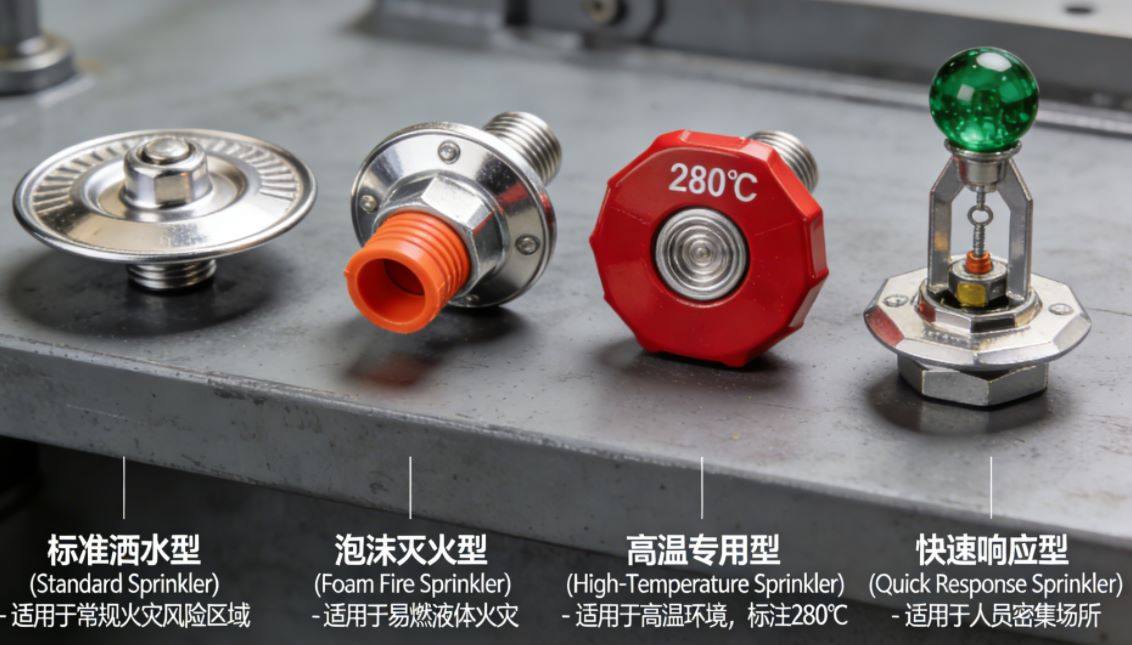
Sprinkler Heads: Most sprinkler heads are fixed on ceilings. They spread water around. They are made for different working environments. They have different types. These types include normal spray heads, foam heads and special heads for special fire risks.
Control Valves: These parts control water flow in the system. They let the system work well and make it easy to check and fix the system.
2.How Do Fire Sprinkler Cooling Systems Function?
A Fire Sprinkler Cooling System is made for cooling and protecting storage tanks in industrial places. It is mostly used in petrochemical factories. The hot sun in summer heats the tanks up. It makes the temperature inside the tanks rise. This can cause dangerous high pressure inside the tanks. Here is how these systems control temperature well:
Functionality of the Cooling System
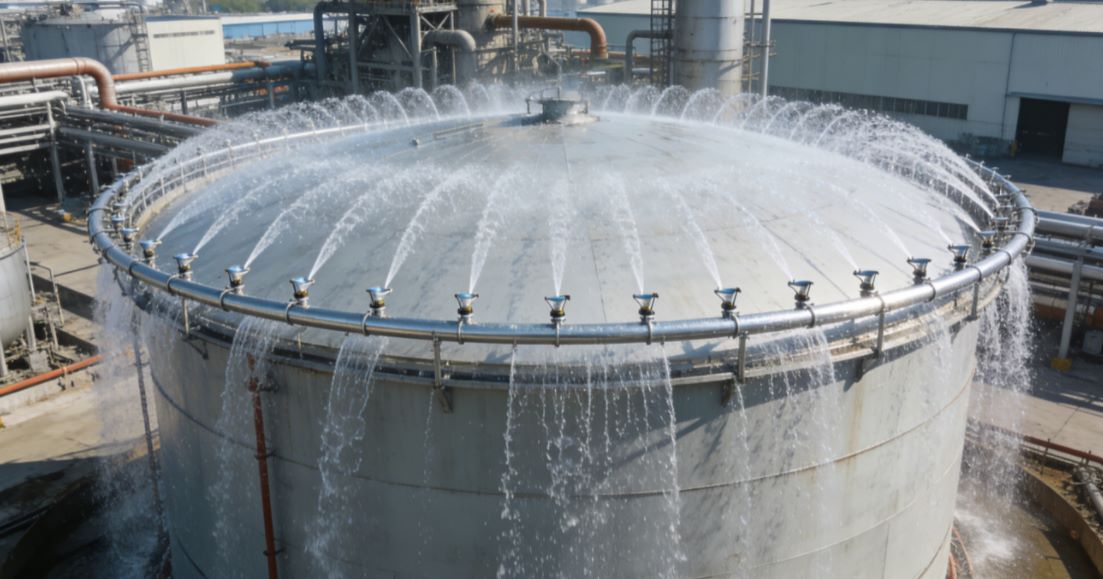
Uniform Water Distribution: The Fire Sprinkler Cooling System sprays water evenly all over the storage tanks. Water flows down from the top of the tank to the tank walls. This cools the tanks down effectively.
Temperature Regulation: The system cools the tank surface. It reduces the temperature difference between daytime and nighttime. This stops too much material loss from the tanks. The loss is caused by temperature changes.
Moisture Control: Water sprays cool the tanks. They also keep the humidity stable around the stored materials. This lowers the risk of fire. Fires can start from changes in gas concentration.
Components of the Cooling System
The system has several main parts:
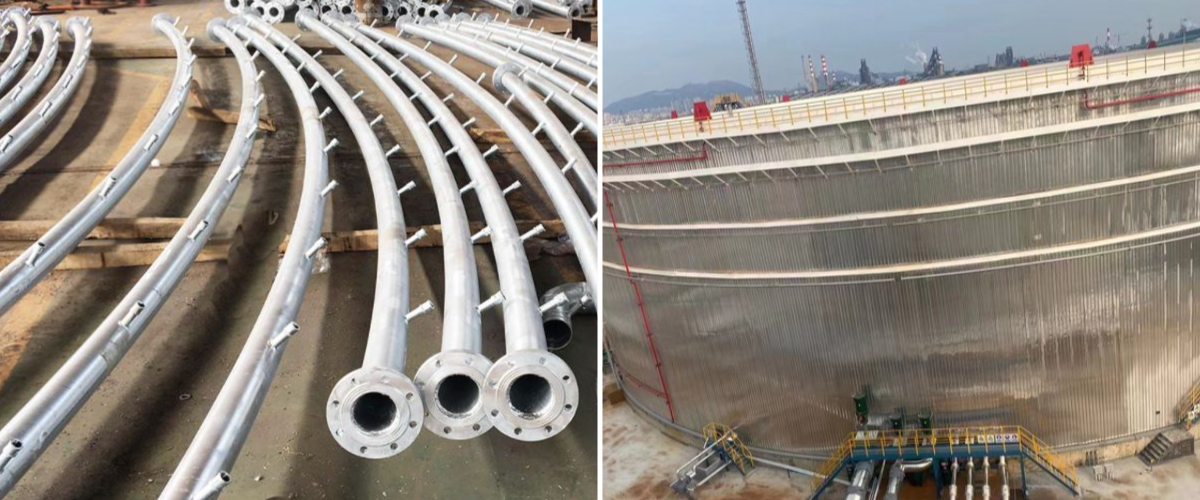
Galvanized Spray Rings: These rings are fixed around the tanks. They make sure water sprays evenly.
Water Curtain Nozzles: These special nozzles make fine water mist. The mist evaporates fast and cools the tanks better.
Filtration and Control Valves: Filters clean the water. Control valves manage water flow speed. They work together to keep the water clean and the flow stable.
This simple and strong design stops serious accidents. It also prevents big fires from starting.
3.Activation Mechanisms of Industrial Fire Sprinklers
It is important to know how an Industrial Fire Sprinkler System starts working. This helps to control fires well. Sprinkler systems react fast to heat. They have two main activation ways: mechanical activation and thermal activation.
Thermal Activation
Fusible Links: Many sprinkler heads have fusible links inside them. The air temperature around the link will rise to a set level. The link melts at this temperature. Then water can flow out of the sprinkler head.
Glass Bulb Mechanism: This is the most common activation way. Sprinkler heads have small glass bulbs inside. The bulbs are filled with liquid. The liquid expands when it gets hot. It breaks the glass bulb. Then the Industrial Sprinkler opens and sprays water out.
Mechanical Activation
Some advanced systems use heat detectors and smoke sensors. These detectors and sensors can start the whole Industrial Fire Sprinkler System. They can find fires early. Fires are found before they become hot enough to trigger the sprinkler heads directly. This stops fires earlier.
Benefits of Quick Activation
Industrial Sprinkler systems start working fast. This small difference is very important. It decides if a fire can be put out fast. Or it decides if the fire will spread to more areas. Stopping fires early reduces property damage. It also keeps all workers safe on the factory site.
4.Design Considerations for Industrial Fire Sprinkler Systems
Good design is very important for an Industrial Fire Sprinkler System to work well. There are many things to think about when designing the system. All these things make sure the system works for its real fire protection purpose.
Risk Assessment
A full fire risk check is the first step of good sprinkler design. Workers need to find all possible fire risks in the factory. These risks come from different materials stored or used in the factory. The risk check tells designers what type of sprinkler to use. It also tells them where to put the sprinkler heads.
Compliance with Standards
Following fire safety standards is necessary for all Industrial Fire Sprinkler System installations. The National Fire Protection Association (NFPA) sets clear fire safety standards. These standards cover the design, installation and regular checks of sprinkler systems. Factories follow these NFPA standards to make sure their Industrial Fire Sprinkler System works well when fires happen. Following these standards also makes sure the factory meets all local fire safety rules.
System Layout
Workers need to plan the pipe system carefully. They need to think about these two main points:
Spacing of Sprinklers: Sprinkler heads need to be placed at a good distance from each other. This makes sure water covers all areas evenly. Sprinkler heads are usually placed no more than 12 feet apart.
Obstacles and Coverage Areas: Factories have many structures and machines inside. Designers need to plan the pipe and sprinkler positions around these obstacles. This makes sure the water sprays cover all fire risk areas well.
5.Maintenance and Inspection of Fire Sprinkler Systems
An Industrial Fire Sprinkler System cannot work well without regular checks and maintenance. Keeping the system in good condition stops it from failing when fires break out.
Regular Inspections
Factories need to do regular checks on the system. The basic check steps are:
Visual Inspection of Sprinklers: Workers check each sprinkler head. They look for things blocking the sprinkler heads, rust on the metal parts and physical damage to the heads.
Water Flow Tests: Workers test the water pressure and water flow of the system. They make sure the pressure and flow are at the right level for fire suppression.
Testing Activation Mechanisms
Workers need to test the activation parts of the system on a regular basis. The tests check if the system can start working fast, just as it is designed to do. These activation tests should be done at least once a year.
Documentation and Compliance
Factories need to keep full records of all inspections, repairs and changes to the system. Keeping these records is a good work habit. It is also a rule from fire safety regulators. The maintenance records show the system is kept in good condition. They make sure the Industrial Fire Sprinkler System is always reliable for fire protection.
Conclusion
To sum up, an Industrial Fire Sprinkler System is a detailed system. It is also a very important part of fire protection in industrial places. Factories need to understand the system design and activation ways. They also need to know how important regular maintenance is. Factories use these systems well to stop serious fire accidents. The Fire Sprinkler Cooling System is very useful for petrochemical industries. It controls temperature changes in storage tanks. It makes the factory safer and lowers fire risks. Factories keep investing in good Industrial Fire Sprinkler System and Industrial Sprinkler equipment. This way, they can keep their work running safely. They can protect their workers and the surrounding environment too.