High Flow vs. Standard Fire Hydrant: Which Flow Rate Suits Your Needs?
When it comes to firefighting infrastructure, the type of firefighting equipment you choose can have a big effect on emergency response effectiveness. You need to understand the differences between High Flow Hydrants and Standard Fire Hydrants. This article looks at the small differences between these two types of hydrants. It shows their features, good points and the best situations to use them.
1. Understanding Fire Hydrant Flow Rates
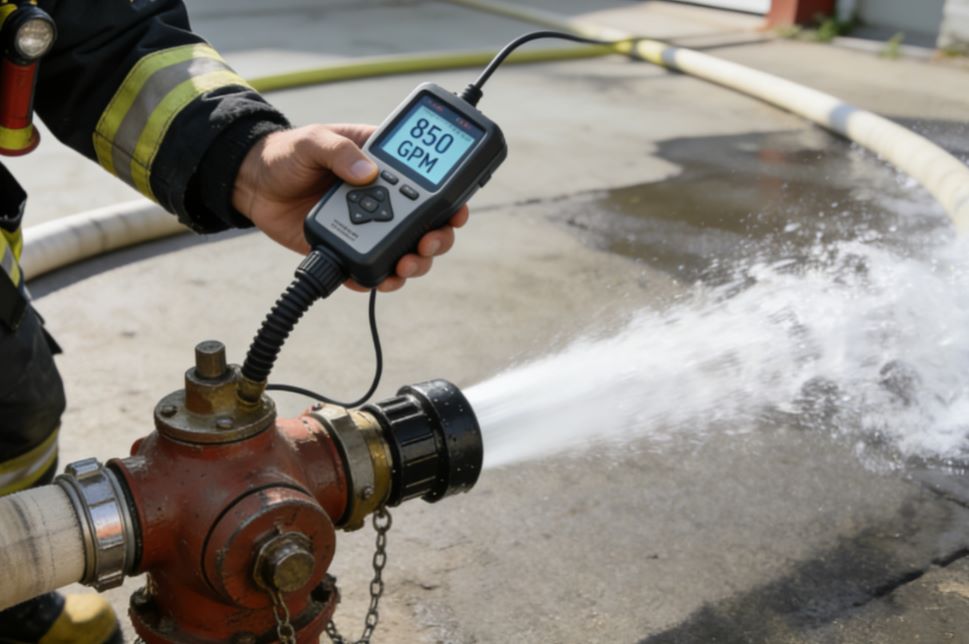
Fire hydrants are key parts of any urban firefighting plan. Their main job is to give a reliable water supply to fire trucks when needed. The flow rate of a fire hydrant is measured in gallons per minute (GPM). It tells how fast firefighters can get water. It affects their ability to put out fires well.
High Flow Hydrant
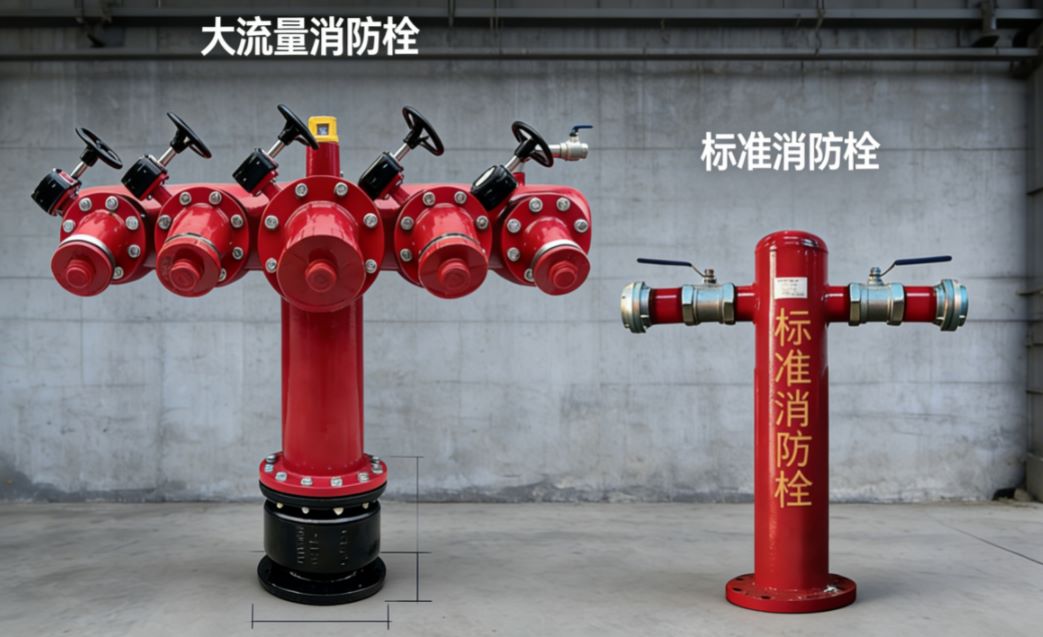
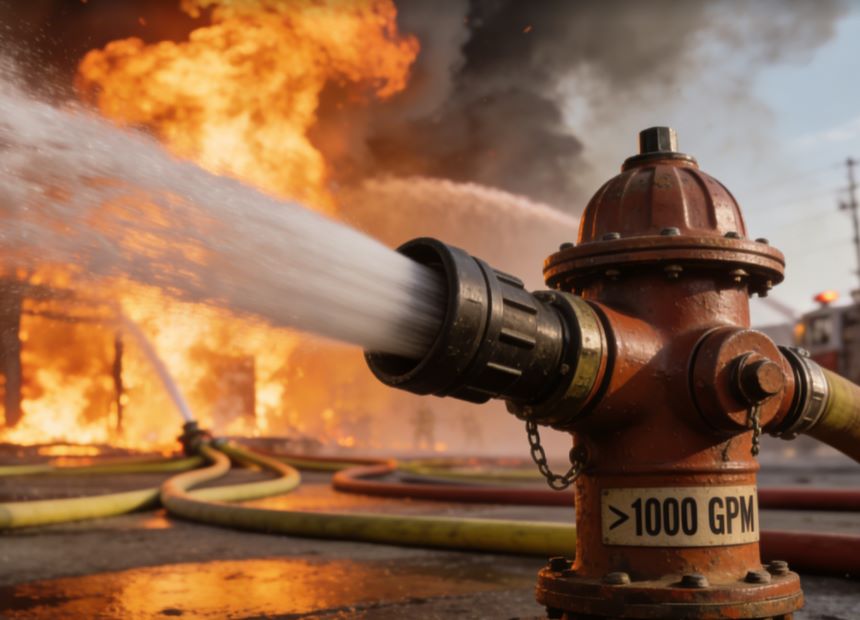
High Flow Hydrants are made to deliver much higher flow rates. They often go over 1,000 GPM. This extra water flow can be very helpful for fighting big fires. It also works well when multiple hoses are used at the same time.
Standard Fire Hydrant
On the other hand, Standard Fire Hydrants usually have a maximum flow rate of about 500 to 750 GPM. They work well in many residential areas. But they may not be enough for large infrastructure fires, industrial zones or commercial buildings.
2. Determining Flow Capacity: Why It Matters
Choosing between High Flow Hydrants and Standard Fire Hydrants mostly depends on your local environment. It also depends on the most common types of incidents in your area.
Fire Risk Assessment
Areas with high fire risk need higher flow rates for effective firefighting. These areas include industrial zones or regions with thick vegetation. High Flow Hydrants can meet these needs. They help make sure emergency teams can act fast in critical situations.
Emergency Response Clarity
Knowing about firefighting flow rates is very important for emergency response teams. High flow rates let teams access more water. They also keep water pressure steady. This can be key when multiple teams are working on a fire.
3. Advantages of High Flow Hydrants
High Flow Hydrants have many benefits that make them different from Standard Fire Hydrants.
Enhanced Firefighting Capability
The main good point of a High Flow Hydrant is its better flow rate. In a large-scale fire, every second is important. Being able to quickly send large amounts of water can change the situation. It can mean the difference between controlling the fire and facing a terrible disaster.
Versatility for Various Applications
High Flow Hydrants are not just for huge fires. They are also useful in industrial settings. Quick access to water can help handle dangerous materials. It can also stop small fires from getting worse.
Improved Pressure Maintenance
High Flow Hydrants are designed to keep pressure steady even when lots of water is flowing. This feature makes sure firefighters have a constant water supply. It works even when multiple hoses are in use.

4. The Role of Standard Fire Hydrants in Urban Areas
High Flow Hydrants have their own unique advantages. But Standard Fire Hydrants are still very valuable in many situations.
Cost-Effectiveness
Standard Fire Hydrants are usually cheaper to install and maintain than High Flow Hydrants. For areas with no major fire risks, choosing standard hydrants is a smart budget choice.
Sufficient for Residential Needs
In city neighborhoods, building materials are less flammable. Fires are usually smaller there. Standard Fire Hydrants provide enough support for firefighting work in these areas.
Community Familiarity
Firefighters often know Standard Fire Hydrants well. These hydrants are used widely. This can make response times faster. It is especially true in smaller towns or communities.
5. Comparing Installation and Maintenance Costs
When you look at hydrants, you need to check two key costs. You need to look at installation costs and long-term maintenance costs for both High Flow Hydrants and Standard Fire Hydrants.
Initial Installation
High Flow Hydrants often need more infrastructure support. This includes bigger pipe systems and better pressure maintenance setups. These factors can make initial installation costs higher than those for Standard Fire Hydrants.
Maintenance Needs
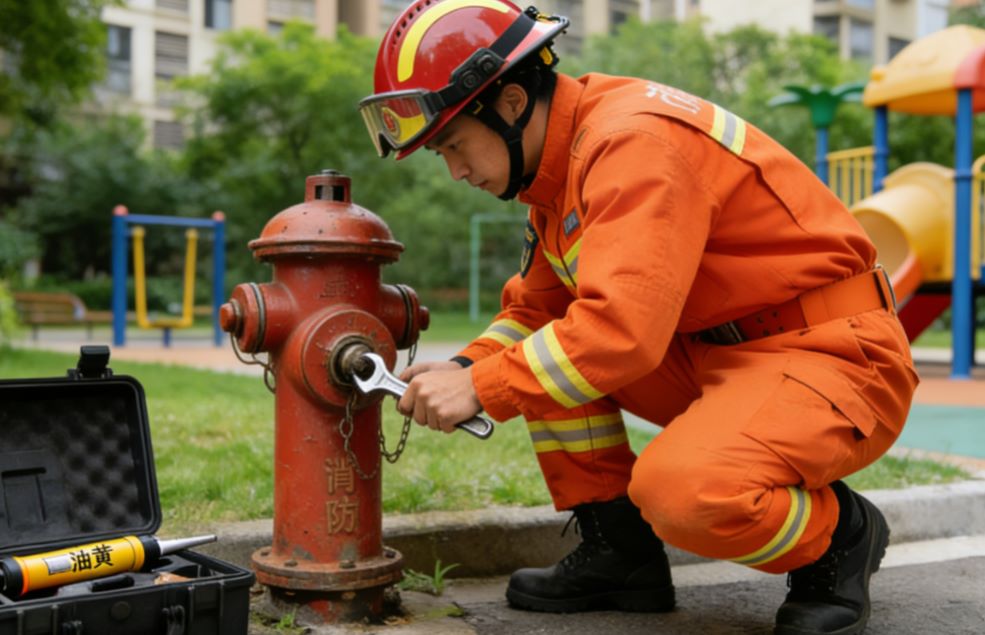
Higher flow capacities usually mean more maintenance work. Standard Fire Hydrants have fewer moving parts. They may have problems less often. This cuts down on ongoing maintenance costs. But if you skip the necessary upkeep for High Flow Hydrants, it can lead to expensive repairs. It can also cause failures during critical moments.
6. Making the Right Choice for Your Needs
The final decision to install High Flow Hydrants or Standard Fire Hydrants depends on specific local needs. It also depends on local risks and available budgets.
Assess Local Fire Risks
Do a full risk assessment of your area. If big fires are a major worry, you must invest in High Flow Hydrants. If you expect mostly residential fires, Standard Fire Hydrants may be enough.
Consult with Fire Safety Experts
Talking to fire safety professionals can also help you decide. Their knowledge can make risks clearer. They can explain how well different hydrants work. They can also show you the best way to design your firefighting infrastructure.
Future Considerations
Think about future growth in your area. As communities get bigger, fire risks also increase. Choosing High Flow Hydrants now to prepare for growth can be more beneficial in the long term.
Conclusion
In short, choosing between High Flow Hydrants and Standard Fire Hydrants is key for effective firefighting. Both types have unique strengths and weaknesses. The differences depend on flow rate, cost and local fire risks. By understanding these small details and checking your specific needs, communities can make smart decisions. These decisions will maximize safety and efficiency.
Investing in the right fire hydrant infrastructure does more than protect lives. It also makes sure emergency responders have the tools they need to do their jobs well. Whether you choose a High Flow Hydrant or a Standard Fire Hydrant, careful thought will lead to better results during crises.