Industrial Fire Sprinkler System for High-Hazard Areas
In industrial settings, many handle flammable materials or have fire risks. An effective fire safety plan is needed. The Industrial Fire Sprinkler System is a key part of this plan. This article talks about many parts of these systems. It covers design, installation, maintenance and new tech. The goal is to keep high-hazard areas safe.
The Importance of Fire Protection in High-Hazard Industries
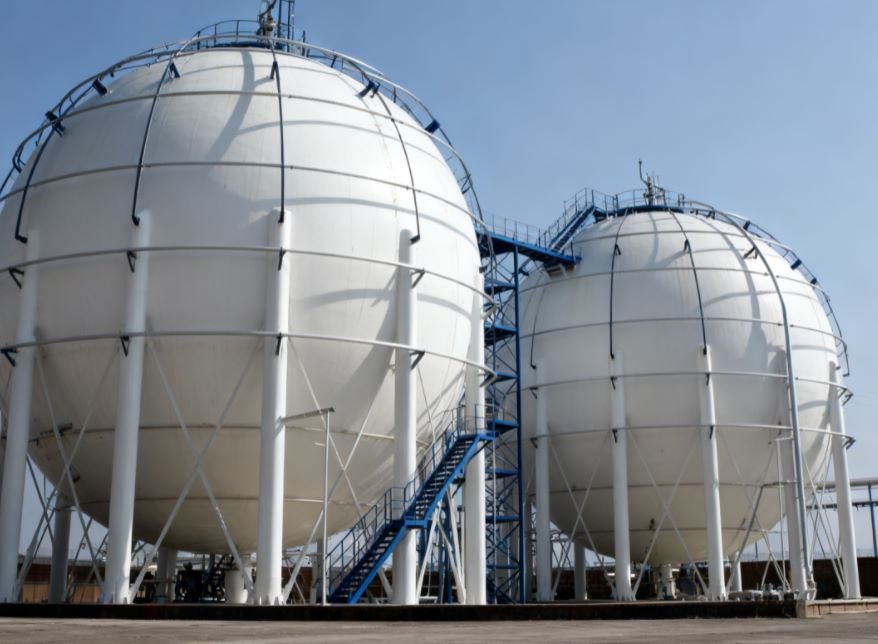
High-hazard industries include oil and gas, chemical manufacturing and warehouses with combustible dust. These places are more likely to have fires. There are flammable materials and risky conditions. The Industrial Fire Sprinkler System is important to reduce these risks. Here’s why:
Risks in High-Hazard Areas
Flammable Materials: These sites have materials that catch fire fast. This makes them dangerous. A fire can grow quickly. It can cause big problems.
Employee Safety: Keeping employees safe is the most important thing. A good fire suppression system can save lives. It reduces fire damage. It keeps evacuation routes open.
Financial Implications: Fires can damage equipment, buildings and inventory badly. Using an Industrial Fire Sprinkler System can lower the money lost from fires.
Regulatory Compliance: Following local and national fire safety rules is needed. You can avoid legal trouble this way. A reliable fire sprinkler system shows you follow rules. It shows you care about safety.
Key Components of an Effective Industrial Fire Sprinkler System
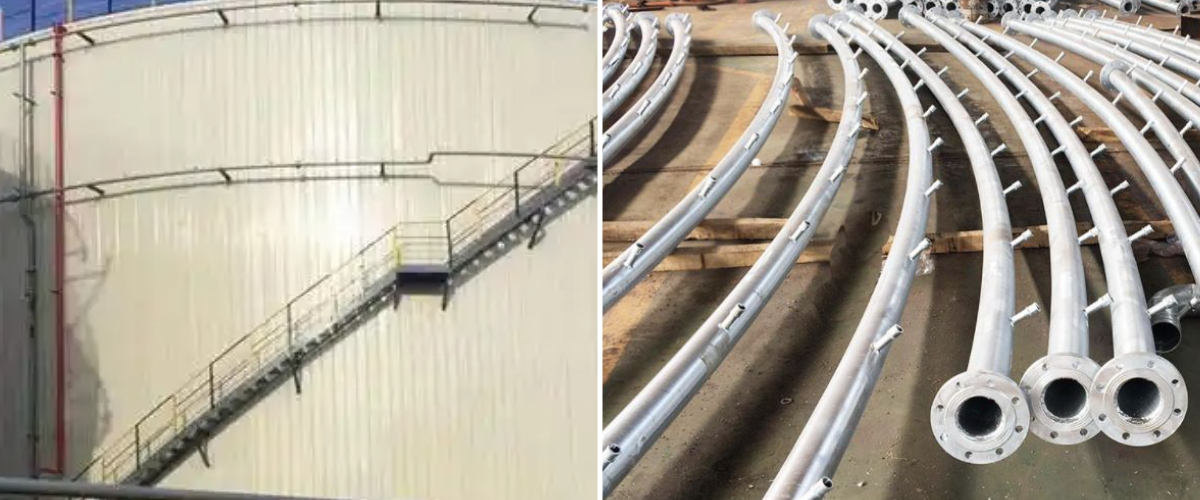
Designing and setting up an Industrial Fire Sprinkler System needs many checks. These checks match the specific needs of high-hazard areas. Below are key parts that make these systems work well.
System Types and Their Application
Picking the right type of sprinkler system is important. Different systems offer different levels of protection. This depends on the unique hazards in the area:
Wet Pipe Systems: These systems have water in them all the time. They work best in places where it does not freeze. They are simple and reliable. This is true if freezing is not a problem.
Dry Pipe Systems: These are good for cold places. They hold air pressure in the pipes. A fire triggers the sprinkler heads. Then the air is released. This stops frozen pipes from messing up fire suppression.
Deluge Systems: These are good for areas with large amounts of flammable materials. Deluge systems release a lot of water when activated. They help stop fires quickly.
Pre-Action Systems: These are hybrid systems. They need two things to activate. This lowers the chance of accidental water release. They are good for sensitive environments.
Design Considerations for Specific Hazards
Designing an Industrial Fire Sprinkler System is not just putting a few sprinkler heads in good spots. Many small details need to be considered:
Risk Assessment: Do a careful risk assessment. Find the fire hazards specific to your facility. This should include the types of materials, how you store them and possible ignition sources.
Sprinkler Layout: The layout must cover all high-risk areas well. You need to calculate the maximum distance between sprinklers. You need to make sure there are no areas without coverage.
Water Supply: The system needs a reliable water supply. It must deliver the right amount of water flow and pressure. Check your water resources. You may need to install extra water tanks.
Maintenance Practices for Ensuring Reliability
An Industrial Fire Sprinkler System is an investment. It needs regular maintenance to work well. Here are key steps to keep your system running properly:
Regular Inspections and Testing
Doing routine checks is required. This makes sure the system works as it should. These checks should include:
Visual Inspections: Look for physical damage, rust or debris around sprinkler heads.
Functional Testing: Test the system from time to time. Make sure it activates when needed. Check the water flow and pressure during the test.
Documentation: Keep detailed records of all inspections and tests. These records are needed for following rules. They also help with future maintenance.
Sprinkler Head Maintenance
Taking care of individual sprinkler heads is important. Dust and debris can block sprinkler heads. This makes them less effective. Make sure to:
Cleaning: Clean sprinkler heads regularly. This stops blockages.
Replacement: Replace any damaged or painted heads right away. Damaged or painted heads do not work well during a fire.
Annual System Testing by Professionals
Have experts test the Industrial Fire Sprinkler System every year. They can find problems that routine checks miss. These experts can:
Identify Weak Points: Study how the system works. Decide if any upgrades are needed.
Ensure Compliance: Make sure the system meets current fire codes and rules.
Benefits of Installing an Industrial Fire Sprinkler System
Installing an Industrial Fire Sprinkler System has more benefits than just following rules. It helps with business operations, employee well-being and financial security. Here are the main benefits:
Saving Lives and Protecting Property
The biggest benefit is protecting employees and property. A system that works well can lower injury rates a lot. It can stop people from dying. It also reduces property damage. This lets businesses recover faster after a fire.
Cost-Effectiveness in the Long Run
The initial cost may be high. But the long-term benefits are often better than the cost. Fires can lead to big money losses. This comes from damage claims and downtime. An Industrial Fire Sprinkler System can also lower insurance costs. You save money over time.
Enhanced Reputation and Trust
Companies that invest in safety measures like fire sprinkler systems look responsible. They show they care about employees. This can make the company’s reputation better. It helps with employee morale. It also builds customer trust.
Compliance and Risk Mitigation
Installing an Industrial Fire Sprinkler System helps you follow safety rules. This lowers the risk of fines and legal trouble. Following rules protects the company. It also creates a safety-focused culture.
Innovative Technologies Shaping the Future of Fire Safety
Technology keeps changing fire safety systems. Here are some new innovations in Industrial Fire Sprinkler System technology:
Smart Fire Alarm Systems
IoT technology has improved. Smart fire alarm systems can detect fires better. These systems send alerts right away. This lets people respond to fires faster.
Predictive Maintenance Solutions
Predictive maintenance uses data to guess when maintenance is needed. This makes the sprinkler system last longer. It keeps the system working well. This proactive step makes sure maintenance is done before the system breaks.
Integration with Building Management Systems
Modern fire sprinkler systems can connect to building management systems. This allows for coordinated fire safety actions. This connection supports full safety plans. These plans include more than just sprinkler systems.
Eco-Friendly Solutions
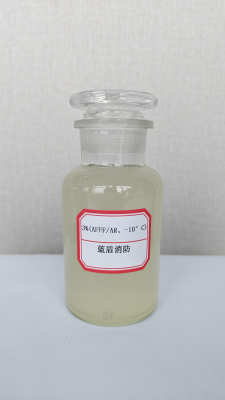
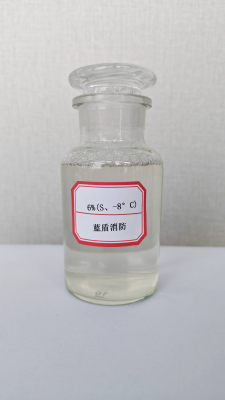
More people want sustainable fire suppression methods. Eco-friendly fire-suppression foam and water-saving sprinkler systems are available. These options have less impact on the environment. They still keep areas safe.
Prioritizing Your Fire Safety Strategy
In high-hazard industrial areas, a good fire safety plan is very important. The Industrial Fire Sprinkler System is a key part of this plan. You need to understand the unique risks. You need to maintain the system with good practices. Each part helps keep the area safe.
These systems are complex. Businesses must invest in the right systems. The systems should match their specific hazards. Stay updated on new technology. Keep following rules. This way, industries can handle fire safety challenges well. They can protect employees, property and resources better. A strong fire safety plan is not a choice. It is needed for success in today’s industrial environments with high risks.