Application of Cold Resistant Foam Concentrate for Low Temperature & Cold Environments
Many areas have temperatures below freezing for a long time. Fire protection meets many special problems in these areas. Common extinguishing agents often become less effective. Their viscosity becomes higher. They need more time to make foam. They even freeze when people store and use them. Cold Resistant Foam Concentrate is an important solution for these problems. It is made for extreme cold climates. This fire extinguishing agent keeps working reliably. It puts out fires quickly. It keeps operation safe in very cold environments.
It is a special kind of Fire Fighting Foams. People use it in many industries. These industries include oil & gas, chemical processing, aviation, mining and cold-region infrastructure.
1. Understanding Cold Environment Fire Risks and the Role of Foam Technology
1.1 Fire Behavior in Low-Temperature Conditions
Cold environments do not lower fire risks. They often increase fire risks in many situations. Fuel is easier to volatilize. Static electricity is more likely to appear. Confined industrial work also raises the chance of fire. At the same time, freezing temperatures damage traditional fire extinguishing systems.
Water-based agents may freeze in pipes. Standard foams cannot make stable foam blankets. Longer response time lets fires spread faster. Cold Resistant Foam Concentrate is made to solve these problems. It keeps good fluidity. It can form foam normally. It puts out fires well at temperatures below zero.
1.2 How Cold Resistant Foam Concentrate Works
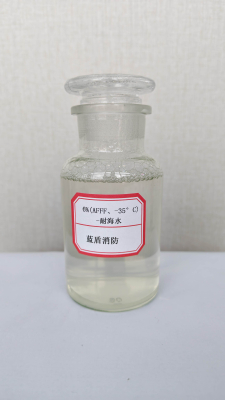
It is different from common foam agents. This concentrate has antifreeze parts. It also has optimized surfactant systems. These features bring many benefits.
It can be pumped at low temperatures. The lowest temperature can reach -20°C to -40°C. It quickly makes a stable foam blanket on flammable liquids. It stops fuel vapor from releasing. It also stops fires from burning again.
As one kind of advanced Fire Fighting Foams, it works with most proportioning systems. People can mix it with freshwater, seawater or hard water. This is very important for remote or offshore cold areas.
2. Key Application Scenarios in Cold and Extreme Environments
2.1 Oil & Gas Facilities in Arctic and Sub-Arctic Regions
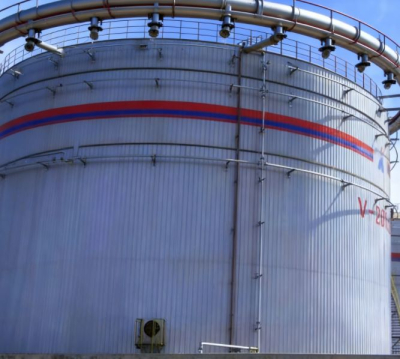
Many oil depots, LNG terminals and refineries are in northern cold areas. They always have fire dangers. Hydrocarbon leaks and static discharge can cause big flammable liquid fires.
Cold Resistant Foam Concentrate has many functions in these conditions.
It covers burning fuel surfaces fast. It resists pollution from fuel. It works stably in winter operations.
As a trusted type of Fire Fighting Foams, it helps facilities follow international fire safety rules. It also reduces work stops caused by cold weather failures.
2.2 Aviation and Airport Fire Protection
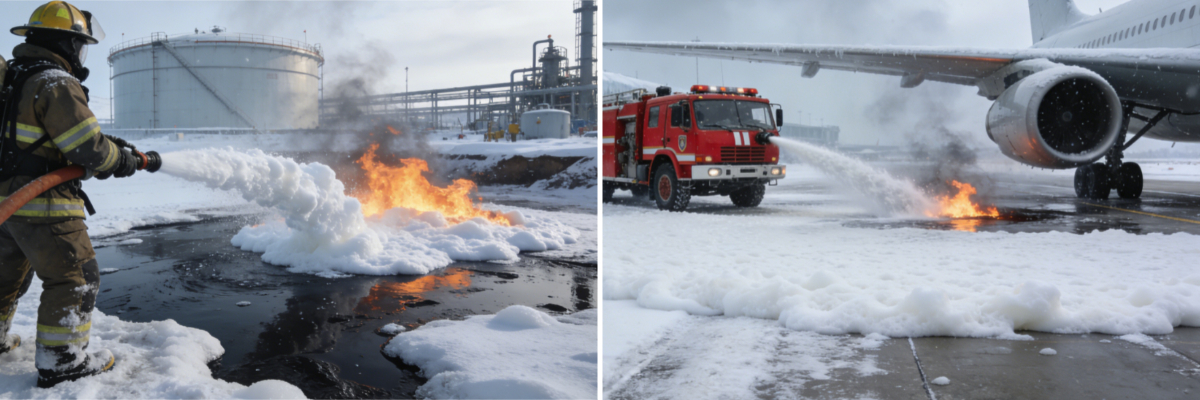
Airports in cold areas need reliable firefighting systems. The systems must work well in snowstorms and freezing nights. Aircraft fuel fires need quick extinguishing. This can protect people and assets.
People widely use cold-resistant foam concentrates in these places.
They are used on ARFF (Aircraft Rescue and Fire Fighting) vehicles. They are used in hangar fire suppression systems. They are used in fuel storage and transfer areas.
Airports use Cold Resistant Foam Concentrate. They keep steady emergency response ability. This is true even when low temperatures make common foam agents fail.
3. Industrial and Infrastructure Applications Beyond Energy and Aviation
3.1 Chemical Plants and Hazardous Material Storage
Chemical factories store many dangerous things. They store solvents, alcohols and other flammable liquids. These materials are still dangerous no matter how low the temperature is. Fire extinguishing agents must be effective. They must also match these chemicals.
Cold-resistant foam is a kind of Fire Fighting Foams. It is very useful in these situations.
It works well for alcohol-resistant fire scenes. It works for mixed-fuel storage areas. It works for closed processing units in cold climates.
Cold Resistant Foam Concentrate keeps foam stable. It resists repeated burning for a long time. It improves safety for on-site workers.
3.2 Logistics, Warehousing, and Cold Storage Facilities
Modern supply chains depend more on cold storage warehouses. These warehouses store food, medicine and chemicals. It is a strange fact. These low-temperature buildings still have fire risks. The risks come from electrical systems, forklifts and packaging materials.
People use Cold Resistant Foam Concentrate in fixed or mobile systems. It helps operators in many ways.
It protects large storage areas. It stops system failures caused by frozen agents. It helps facilities meet insurance and fire safety rules.
It is a versatile and high-performance Fire Fighting Foams solution. It is very suitable for complex logistics environments.
4. Performance Advantages and Technical Considerations
4.1 Stability, Compatibility, and Efficiency
Cold Resistant Foam Concentrate has strong technical performance. This is its biggest advantage. It has many key benefits.
It has a low pour point. Its viscosity is lower. It keeps stable foam expansion ratios in cold air. It works well with standard foam proportioners.
These features help firefighting teams. They can use foam quickly and effectively. This is true even after the foam stays in freezing temperatures for a long time.
4.2 Environmental and Regulatory Compliance
Modern Fire Fighting Foams need good performance. They also need to be friendly to the environment. Many cold-resistant foam products have new versions. These versions are fluorine-free or low-toxicity. They follow many rules and goals.
They follow EU REACH regulations. They follow EPA and international environmental standards. They match corporate sustainability goals.
Cold Resistant Foam Concentrate is a good technical choice. It is also a wise choice for future development.
5. Real-World Case Studies and Operational Value
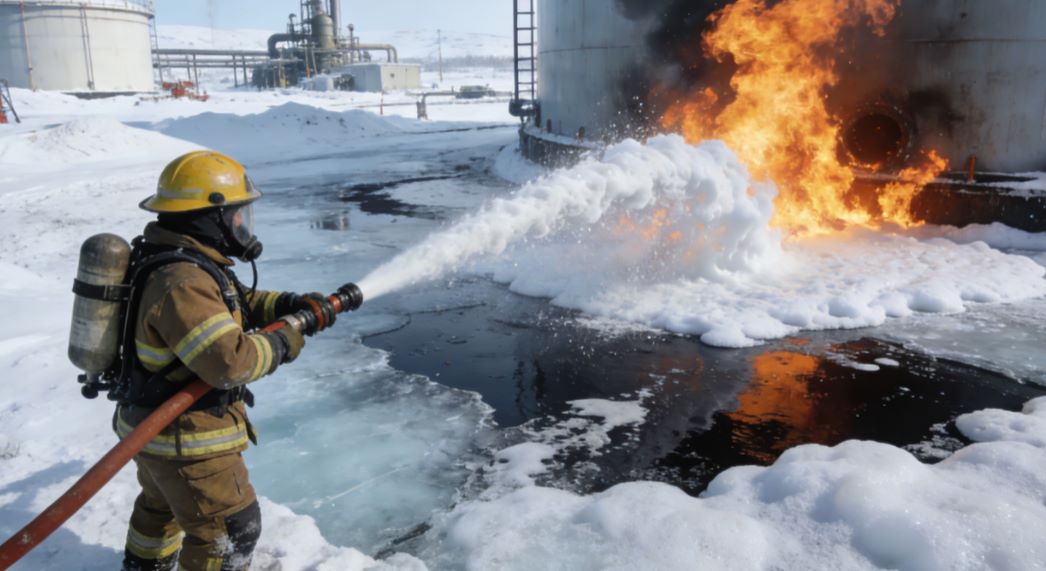
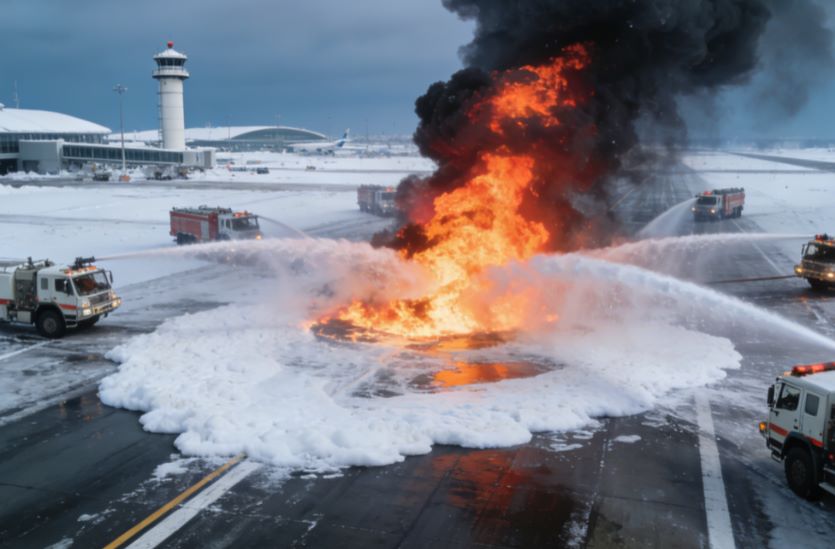
Fire brigades use Cold Resistant Foam Concentrate in real emergencies. These emergencies happen in Northern Europe, Canada and Central Asia. They report much better response results. The foam is better than traditional agents.
It shortens the time to put out fires. It reduces the amount of foam used. It stops fires from burning again in icy conditions.
It is part of professional Fire Fighting Foams systems. It brings clear operation and economic benefits.
6. Selection Guidelines and Future Development Trends
6.1 How to Choose the Right Cold-Resistant Foam
People need to choose Cold Resistant Foam Concentrate. They should think about these points.
They should check the lowest working temperature. They should confirm the type of flammable liquids. They should think about system compatibility and storage conditions.
People can ask manufacturers and fire protection engineers. This helps them choose the best product for real use.
6.2 Innovation and the Future of Cold-Climate Firefighting
More industries move to polar and high-altitude areas. The demand for advanced Fire Fighting Foams keeps growing. Researchers are doing continuous studies.
They work on better biodegradability. They improve foam spreading at low temperatures. They develop the ability to put out many kinds of fire risks.
The development of Cold Resistant Foam Concentrate shows a big trend. Fire protection technologies are becoming smarter, safer and more sustainable.
Conclusion
Fire safety in cold and extreme environments needs special solutions. Standard firefighting agents cannot meet these needs. Cold Resistant Foam Concentrate is a proven product. It is adaptable and high-performance. It is a good choice for industries working in freezing conditions. It is an important kind of modern Fire Fighting Foams. It provides reliability, efficiency and rule compliance. These values are very important in cold environments.
People use it in more and more places. These places include oil fields, airports, chemical plants and cold storage facilities. It becomes an necessary part of global fire protection strategies in low-temperature environments.