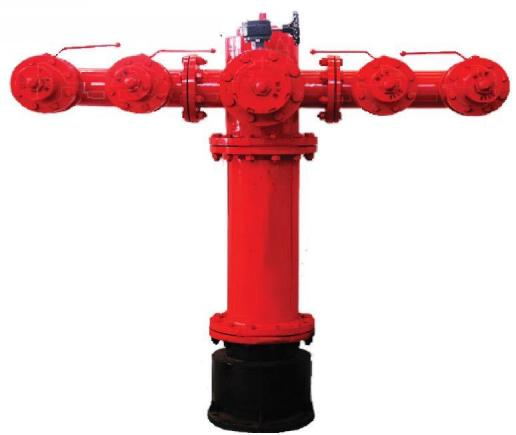
High Flow Fire Hydrant
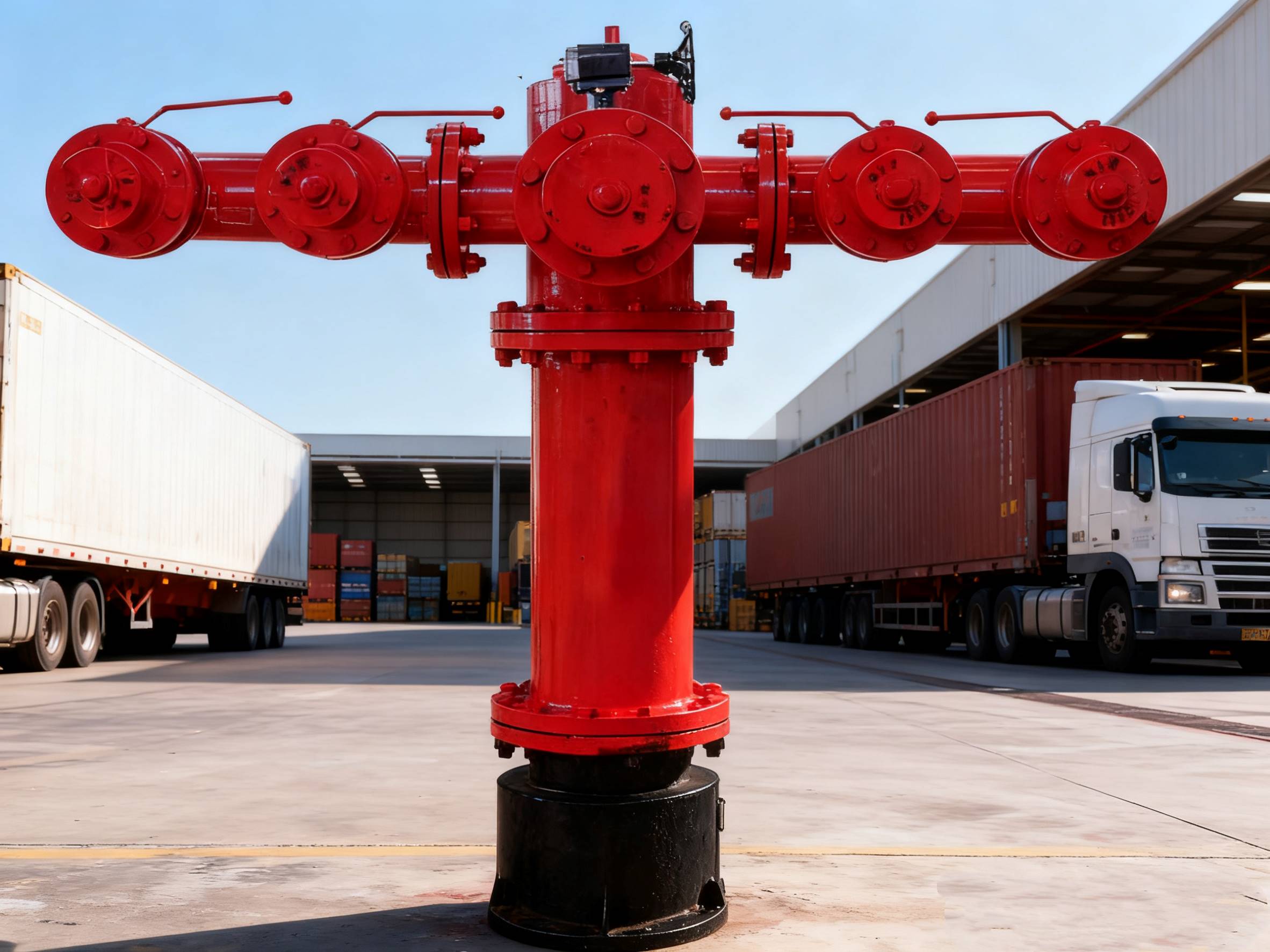
1.High Flow Rate: Meets the needs of large-scale fire suppression with efficient and rapid water supply (maximum flow rate up to 300 L/s).
2.Strong Durability: Robust materials adapt to various environments, reducing equipment failure rates.
3.Easy Maintenance: Simple operation, facilitating maintenance and inspection.
4.Wide Compatibility: Compatible with multiple fire-fighting systems to meet the needs of different locations.
5.Multi-Interface Design: Supports connection of 4-8 hoses for simultaneous water spraying operations.
Product Introduction
A High Flow Fire Hydrant is a fire-fighting device designed for fire suppression, primarily used to rapidly supply large volumes of water to support fire-extinguishing operations. Typically connected to a fire water system, it ensures fast and efficient water supply in emergency situations.
Product Parameters
Flow Rate: Usually above 1000 L/min to meet large-scale fire-fighting needs.
Pressure: Generally ranges from 0.5 MPa to 1.6 MPa as required.
Material: Constructed from cast iron, stainless steel, or alloy materials with excellent corrosion resistance.
Connection Ports: Standard interfaces such as DN65 and DN80 are common, compatible with fire hoses.
Operating Temperature: Typically adapts to environments from -20°C to 60°C.
Model | Design pressure | Nominal bore | Water inlet pipe | Outlet diameter | Applicable medium |
SST250/150-80*4-1.6 | 1.6Mpa | 250mm | 250mm | 150/80mm | Water |
SST300/150-80*4-1.6 | 1.6Mpa | 300mm | 300mm | 150/80mm |
Working Principle
The high-flow fire hydrant is connected to the fire water pipeline network via a water source piping system. When a fire occurs, firefighters open the hydrant, and water flows through the opened valve to form a high-pressure water stream for fire extinguishing. Its working principle mainly relies on the kinetic energy and pressure of the water flow to quickly extinguish flames.
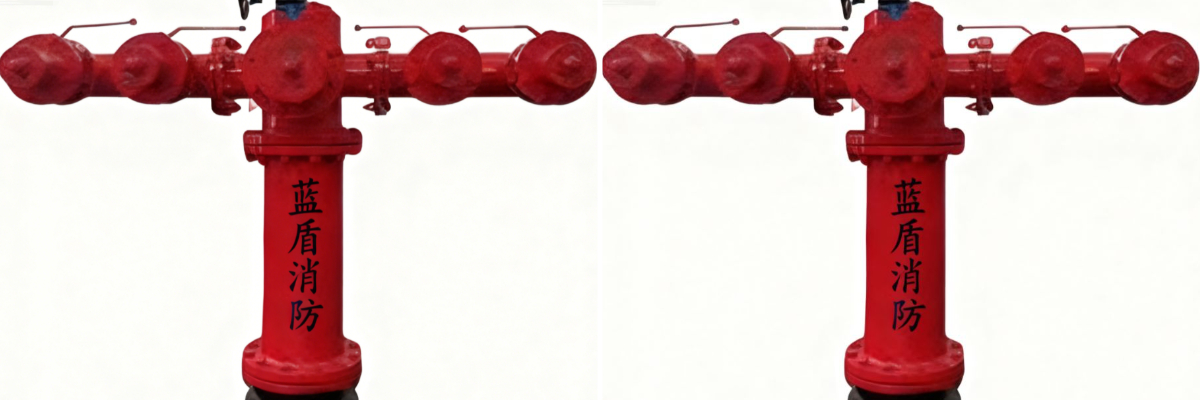
Main Working Components
Valve Body: Primarily used to control the on/off of water flow, usually manufactured from corrosion-resistant materials such as cast iron.
Valve Seat: Connected to the valve body to ensure water tightness, guaranteeing operational performance through reliable sealing.
Operating Handle/Knob: Used for manual opening and closing of the hydrant.
Water Outlet: Component connecting to fire hoses, responsible for guiding pipeline water flow.
Pressure Gauge: Monitors water pressure to ensure the system operates within a safe pressure range.
Application Scope
Industrial Areas: Large fire-risk locations such as factories and warehouses.
Urban Fire Protection: Suitable for urban fire water networks, providing sufficient water pressure and flow rate.
Buildings: Premises such as high-rise buildings and shopping malls.
Airports and Ports: Provides safety protection for flammable and explosive substances such as chemicals.