First Choice for Ship and Airport Fire Protection: Adaptation Guide for FP3% Fluoroprotein Foam Concentrate
Fire safety in maritime and aviation industries is very important, because fire accidents can bring terrible results. FP3% Fluoroprotein Foam Concentrate is a top solution in the industry. This article talks about the features and benefits of this foam concentrate, and gives a detailed guide on how to use it for ship and airport fire protection.
Understanding FP3% Fluoroprotein Foam Concentrate
FP3% Fluoroprotein Foam Concentrate is made to put out fires well, especially in dangerous places like ships and airports. It is made by mixing fluorinated surfactants and natural proteins, and has these good points:
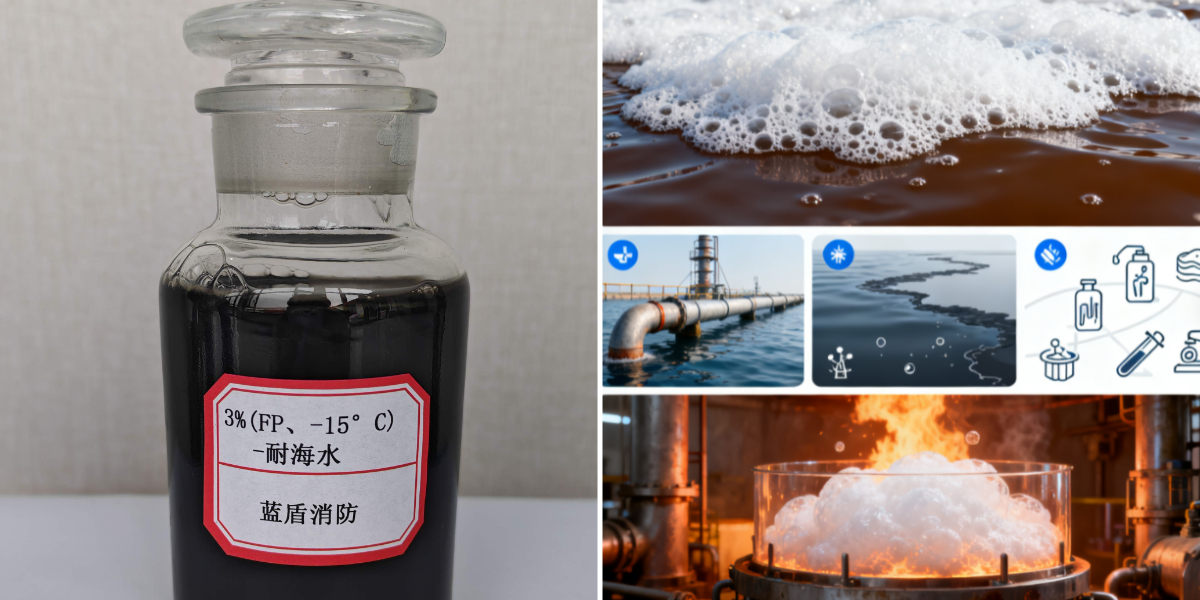
Why Choose Fluoroprotein Firefighting Foam for Marine and Aviation Applications?
When picking fire suppression tools for ships and airports, choosing the right foam is key. Fluoroprotein Firefighting Foam is a good choice because of its special features:
Implementation Strategies for FP3% Fluoroprotein Foam Concentrate
Using FP3% Fluoroprotein Foam Concentrate in your fire protection plan needs careful planning and doing. Here are the important steps to use it well:
Environmental Impact of Fluoroprotein Foam
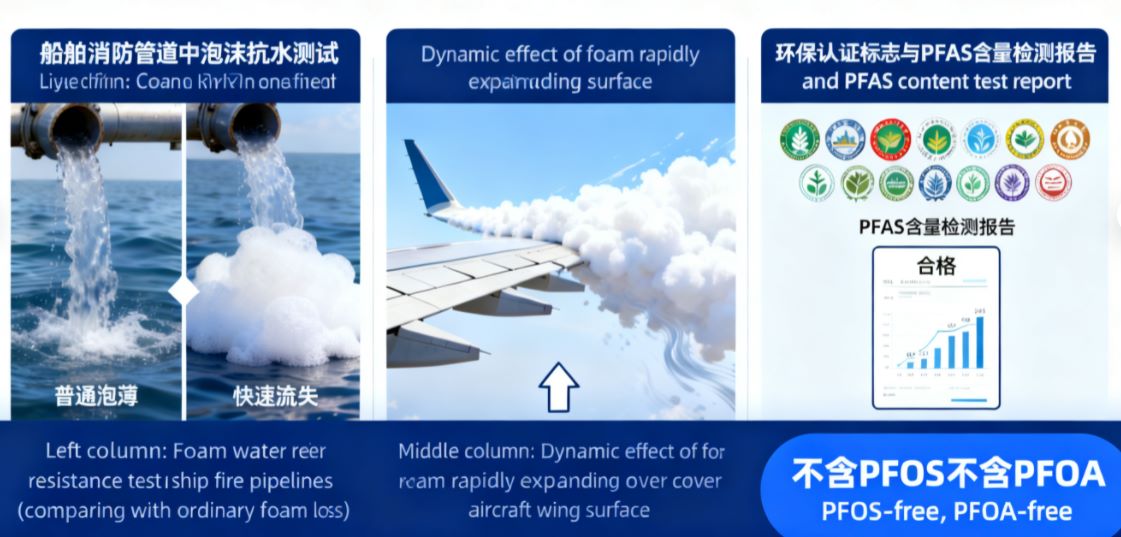
In recent years, people have worried more about how firefighting foams affect the environment, especially PFAS (per- and polyfluoroalkyl substances). Fluoroprotein Firefighting Foam is being developed to have less of these substances while still working well. Here’s how:
Case Studies: Successful Implementation of Fluoroprotein Foam
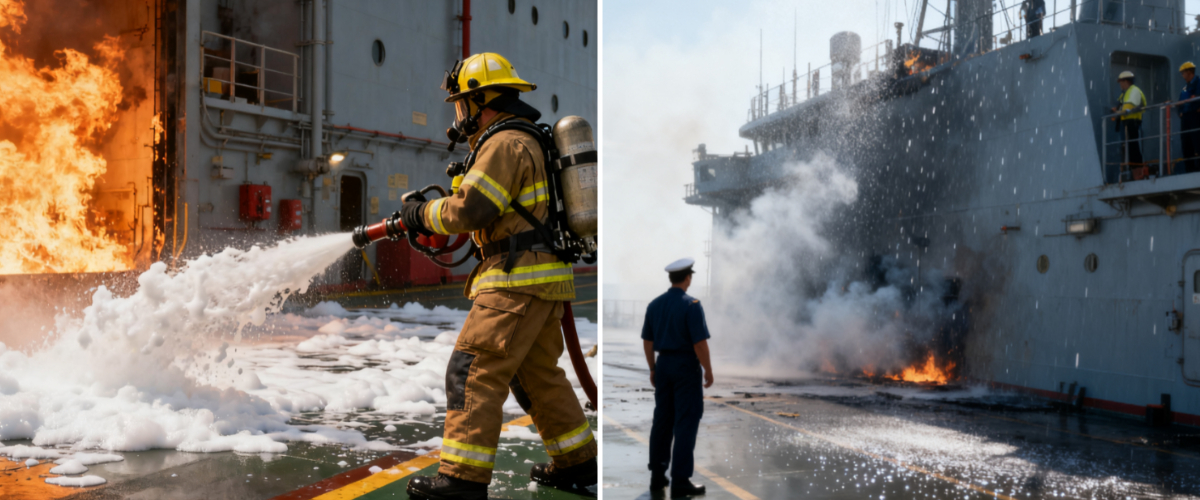
Looking at real uses of the foam shows how good FP3% Fluoroprotein Foam Concentrate is. Some good examples are:
These examples can help other groups understand the benefits of using this foam and make them want to try it.
Future Trends in Fire Protection Foam Technology
As people need better firefighting tools more and more, the development of Fluoroprotein Foam keeps changing. The main trends are:
In conclusion, FP3% Fluoroprotein Foam Concentrate is a great choice for fire protection in ships and airports. It can be used in many ways, works well and is good for the environment, so it is a useful tool to fight fire dangers. Groups should think about how to use this foam in practice, spend money on training and keep up with new firefighting technologies. By putting safety and effectiveness first, you can make a strong fire protection plan to keep people and property safe.