What is the foam system in fire fighting?
Fire fighting is an important service. It aims to protect lives and property. Many fire fighting ways are used. The foam system works very well for some fire types. It is especially good for fires with flammable liquids. This article talks about the foam system in fire fighting in many ways. It explains its parts, uses, good points, bad points and the future of foam technology.
Types of Fire Fighting Foams
There are different kinds of Fire Fighting Foams. They are as follows:
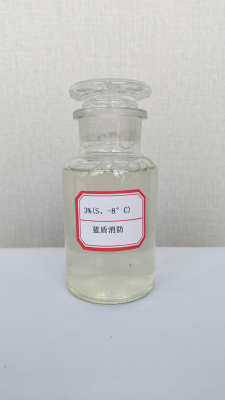
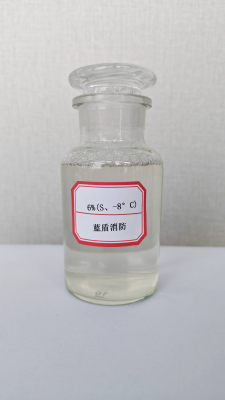
Aqueous Film Forming Foam (AFFF): It is widely used for flammable liquid fires. It can form a film to stop fire from starting again.
Protein Foams: They are made from natural proteins. They work well, but they are less strong for oil fires than synthetic foams.
Fluorine-Free Foams: More people use them now. Traditional foams have fluorine compounds. These compounds bring environmental and safety problems.
Key Elements:
Foam Concentrate: It is the main part. It has the right features to stop fires. It can be sold as liquid or mixed solution.
Water Supply: It is very important. It mixes with Foam Concentrate. The mix makes the right foam texture.
Foam Proportioners: They are special tools. They mix Foam Concentrate and water in a fixed ratio. This mix makes good foam.
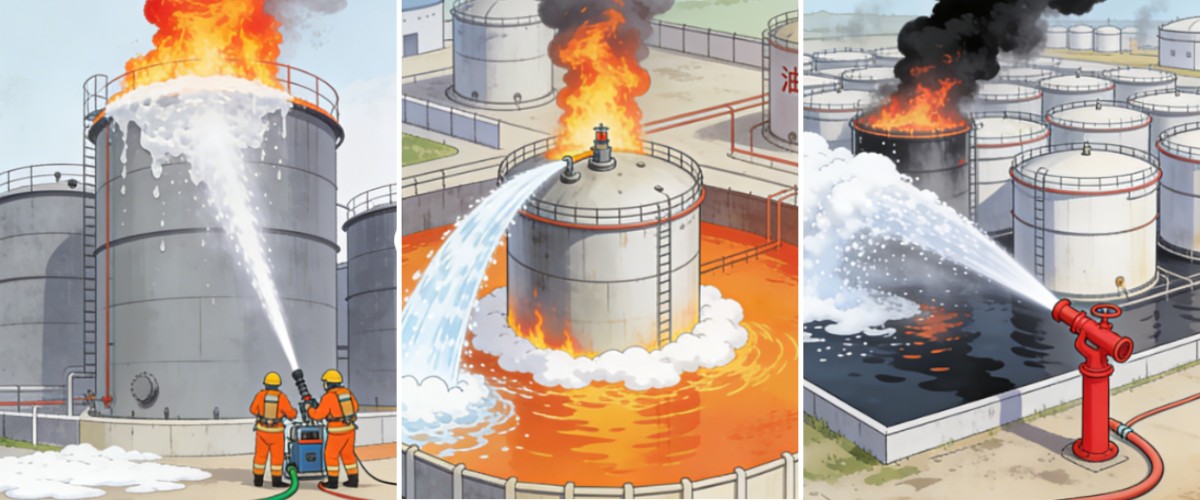
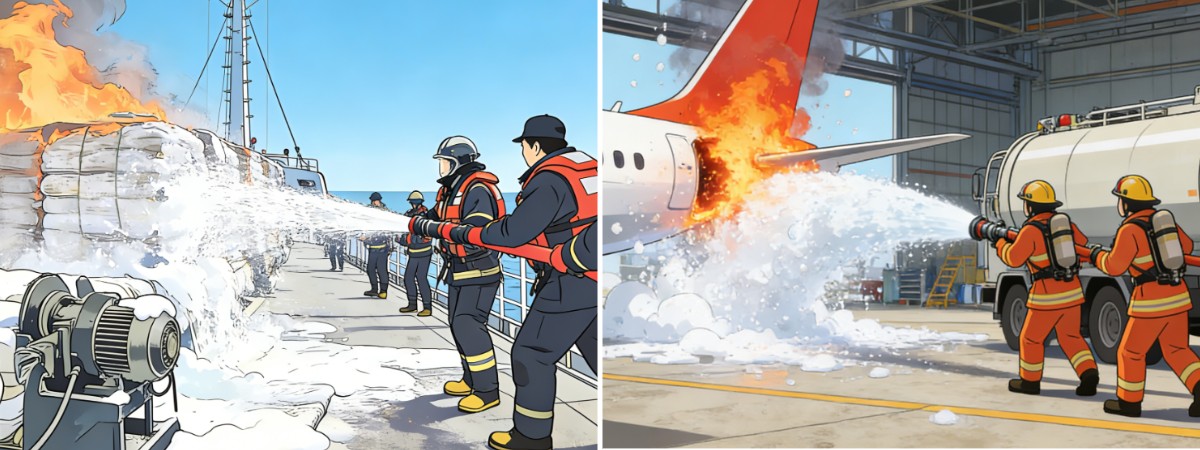
Foam Delivery Equipment: It includes hoses, nozzles and monitors. These tools send foam to the fire safely and well.
Importance of Quality Components
Good quality parts are needed for a working foam system. Parts like nozzles change how foam spreads. They change how foam covers the fire. So it is important to choose good parts and check them often.
Specialized Applications
Different Fire Fighting Foams are used for different fire materials. For example, fluorine-free foams are chosen more often. They are used in places that care a lot about the environment.
There are many good points to use a foam system in fire fighting:
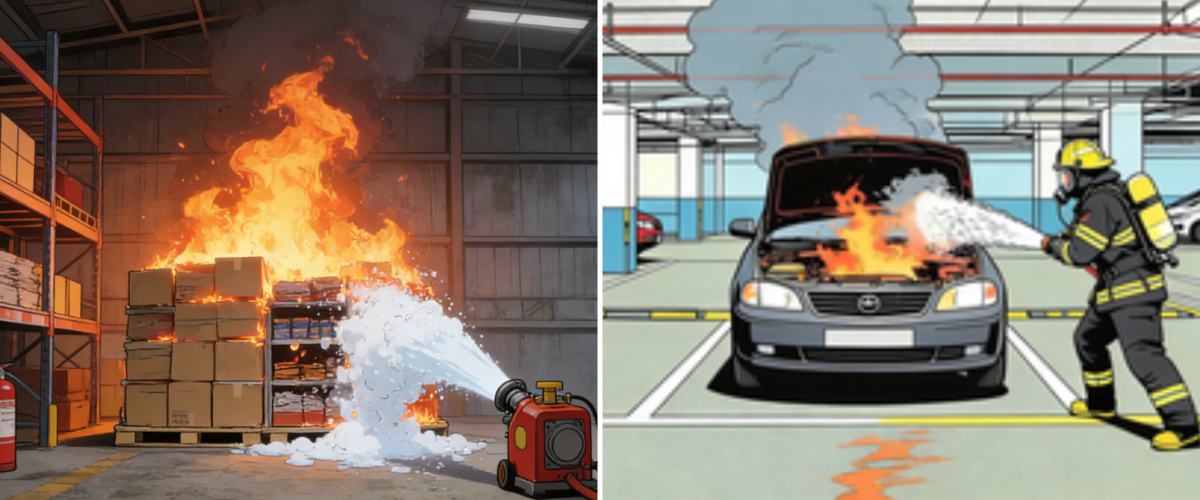
Effective Oxygen Blockade: Foam makes a layer between fire and air. This layer stops the fire from burning fast.
Cooling Properties: Fire Fighting Foams have water inside. The water cools hot surfaces. It makes the fire hard to start again.
Enhanced Coverage Area: Foam covers big areas faster than water. It works better in some fire situations.
Cost-Effectiveness
Foam Concentrate costs more than water. But it works better and faster for big fires. So it saves money in the end for these fire types.
Disadvantages and Limitations of a foam system
A foam system has many good points. But it also has some problems:
Environmental Concerns: Traditional Fire Fighting Foams have fluorinated compounds. People worry about these compounds now. They are bad for the environment.
Training Requirements: Firemen need special training to use a foam system well.
Storage and Shelf Life: Foam Concentrate needs special storage conditions. It needs these conditions to keep working well. Bad storage makes Foam Concentrate lose its effect.
Challenges in Urban Areas
Foam can cause problems in cities. Foam runoff may pollute water and soil. Fire services need to handle foam carefully in cities.
Innovations on the Horizon
Biodegradable Foams: Scientists study new foams now. These foams break down fast in nature. They reduce harm to the environment.
Smart Foam Systems: New foam systems add sensors and AI technology. The technology makes foam reach fires faster. It makes foam work better. It may bring big changes to fire fighting industry.
Conclusion
The foam system in fire fighting is a good and effective way to stop fires. It is especially good for fires with flammable liquids. It is used in many fields, like aviation and chemical plants. This shows the foam system is flexible and important for fire safety. But the future of Fire Fighting Foams has two main tasks. It needs to solve environmental problems and use new technology. People keep improving foam systems. The foam systems we use now can meet future fire challenges. They can also keep safety, efficiency and environmental protection.
People learn the parts, uses, good points and bad points of Fire Fighting Foams. Fire service workers can use the foam system well. They can save lives and property when fires happen.