What is the Difference Between Foam Monitor and Water Monitor?
When it comes to fire suppression systems, understanding the differences between various types of monitors is crucial. It helps with effective firefighting. Fire Water Monitors and Foam Monitor serve unique purposes. They combat fires. This article will delve into the differences between these two types of monitors. It will analyze their functionalities, applications, advantages, and limitations.
1. Understanding the Basics of Fire Water Monitors
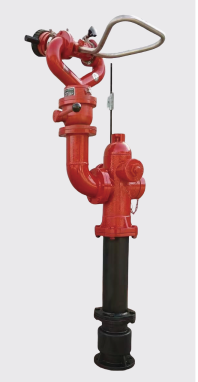
Fire Water Monitors are specialized devices. They are designed to project water at high pressures. The goal is to extinguish fires. They are widely used in industrial settings, airports, and other facilities. Fire hazards are prevalent in these places.
How Fire Water Monitors Work
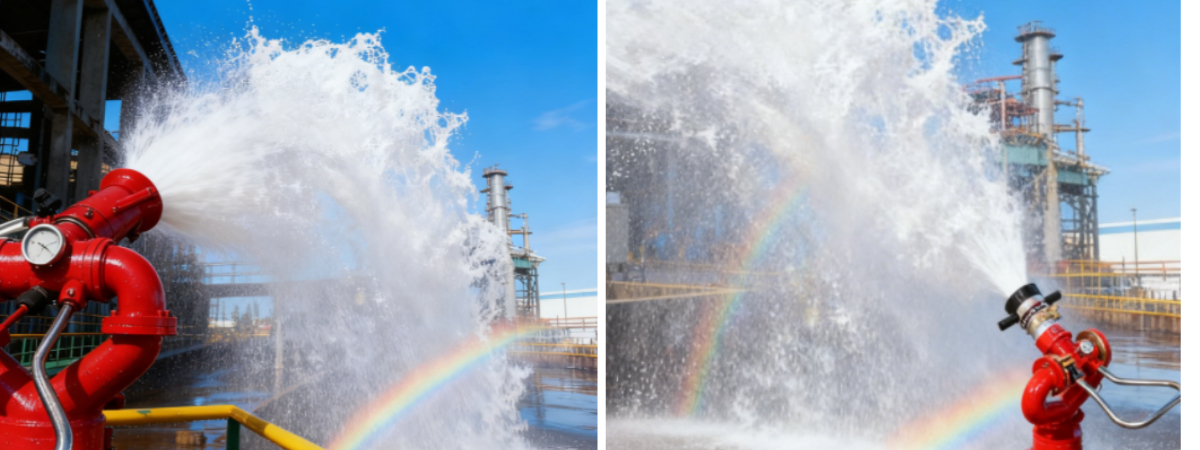
Fire Water Monitors utilize a water source. Examples include a fire hydrant or a storage tank. They deliver large volumes of water quickly. These monitors can be manually or remotely operated. This allows for flexibility in deployment. When activated, a Fire Water Monitor directs a powerful stream of water towards the fire. It effectively cools down the flames. It also reduces heat.
Applications of Fire Water Monitors
These monitors are suitable for various applications. They include:
Industrial Facilities: Fire Water Monitors are essential in factories and warehouses. These places store flammable materials.
Airports: There is a high risk of aircraft fires. Dedicated firefighting teams use Fire Water Monitors. They ensure rapid response capabilities.
Marine Operations: Cargo ships and oil platforms often rely on these monitors. They need effective fire suppression.
Benefits of Using Fire Water Monitors
Rapid Response: They can deliver large volumes of water quickly. This makes Fire Water Monitors invaluable. They help with rapidly spreading fires.
Remote Operation: Many modern systems can be operated from a distance. This keeps firefighters safe from danger.
2. The Role of Foam Monitors in Fire Suppression
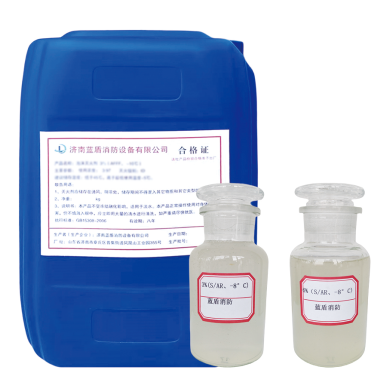
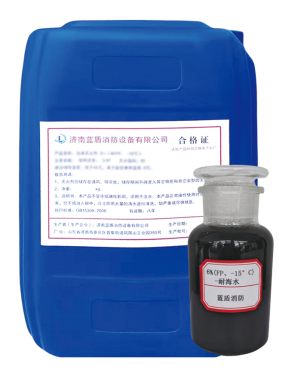
On the other hand, Foam Monitor incorporate foam agents into their water streams. They tackle specific types of fires. These are particularly fires involving flammable liquids.
How Foam Monitors Function
Foam Monitor draw both water and foam concentrate from storage tanks. When activated, they mix the two. This creates a blanket of foam. It effectively smothers the fire. It also prevents re-ignition. The foam can coat flammable surfaces. This makes it nearly impossible for the flames to re-emerge.
Applications of Foam Monitors
Foam Monitor are often utilized in situations. Flammable liquids are present in these situations:
Petroleum Refineries: There are areas with significant oil storage. Foam Monitor are critical here. They prevent and control fires.
Airports: Similar to Fire Water Monitors, Foam Monitor help combat aircraft fuel fires.
Chemical Plants: Facilities deal with hazardous substances. They rely on Foam Monitor to minimize fire risks.
Advantages of Foam Monitors
Effective on Flammable Liquids: Foam is particularly effective against liquid fires. It smothers and isolates the fuel source.
Environmentally Friendly Options: Some foam agents are biodegradable. They pose less of a risk to the environment.
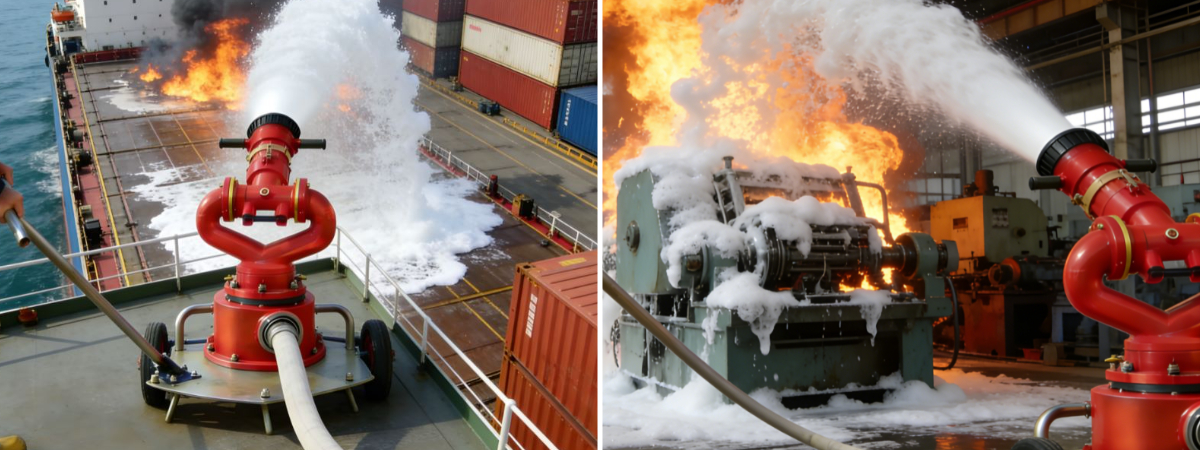
3. Key Differences Between Fire Water Monitors and Foam Monitors
Both types of monitors serve the primary goal of firefighting. There are several key differences that set them apart:
Composition of the Extinguishing Agent
Fire Water Monitors utilize plain water as the extinguishing agent. They rely on cooling and soaking effects.
Foam Monitor mix water with foam concentrates. They effectively isolate fuel sources and suppress flames.
Types of Fires Addressed
Fire Water Monitors are versatile. They can combat various fire types. They are particularly effective on solid combustibles.
Foam Monitor excel in dealing with flammable liquids. They are ideal for petroleum and chemical fires.
Operation and Deployment
Fire Water Monitors are commonly deployed in setups. Rapid water delivery is necessary in these setups. They are often found in fixed installations.
Foam Monitor require careful mixing of water and foam concentrate. This may necessitate trained personnel. They need to use it properly.
Environmental Impact
Fire Water Monitors have minimal environmental impact. They use water. Runoff can still lead to contamination.
Foam Monitor can potentially introduce chemicals into the environment. This depends on the type of foam used.
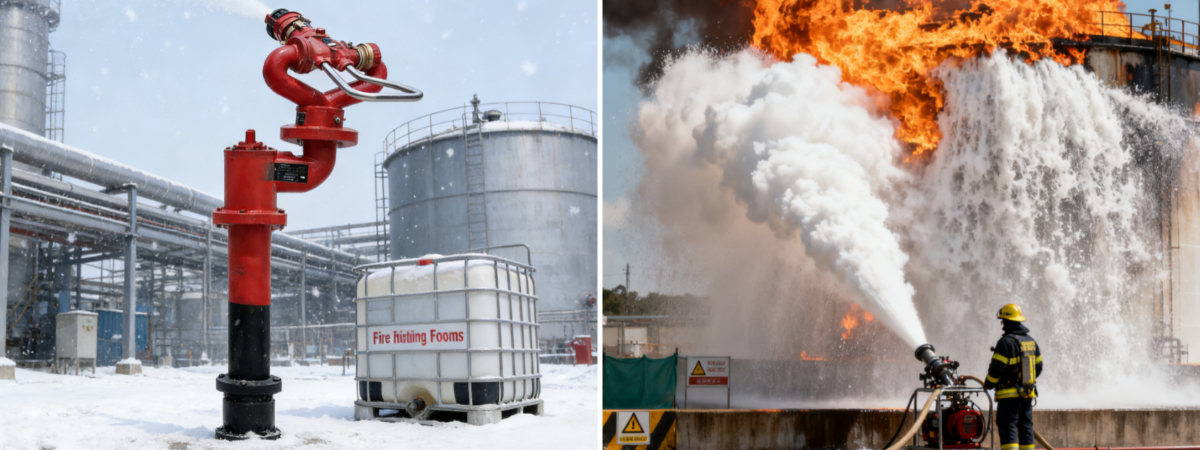
4. Choosing the Right Monitor for Your Needs
When deciding between a Fire Water Monitors and a Foam Monitor, various factors must be considered. This ensures optimal firefighting capabilities:
Assessing the Fire Risks
Understanding the types of materials present in your facility is crucial. If flammable liquids are a significant concern, a Foam Monitor is essential. If your facility mainly deals with solid combustibles, a Fire Water Monitors may suffice.
Budget Considerations
Budgeting for firefighting equipment is essential. Foam Monitor may have a higher initial investment. This is due to the need for foam concentrates. Fire Water Monitors typically involve lower upkeep costs.
Training Requirements
Personnel training is vital for effective monitor operation. Ensure that staff are familiar with the specific characteristics. They should also know the operational requirements of the chosen monitor type.
Conclusion
In summary, both Fire Water Monitors and Foam Monitor play critical roles in modern firefighting. Each is designed to tackle different challenges. Understanding their respective functions, applications, and advantages will empower organizations. They can make informed choices regarding their fire suppression strategies. Whether combating solid or liquid fires, having the right equipment in place is essential. It ensures safety and effectiveness in fire management.